You Won’t Believe What I Found in Ella’s Misty Mountains
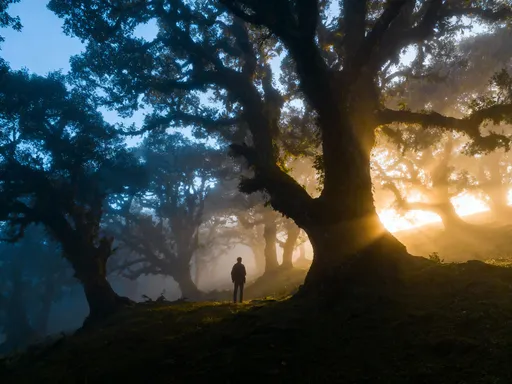
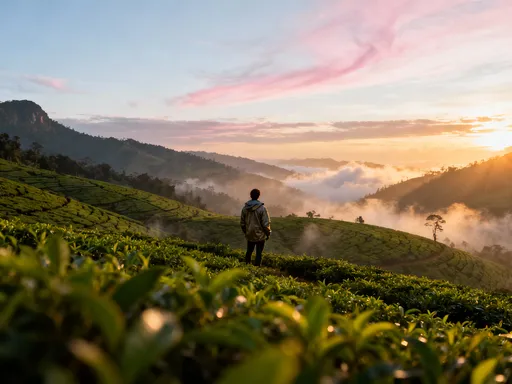
Walking through Ella, Sri Lanka, felt like stepping into a dream. The mist curled around emerald hills, tea plantations spilled down steep slopes, and rock tunnels opened into views so sharp they stole my breath. I didn’t expect terrain to move me so deeply—but here, every path tells a story of earth and elevation. This isn’t just a destination; it’s a living landscape that changes with every step. From the rhythmic clatter of the train climbing into the highlands to the silent majesty of dawn over a misty valley, Ella offers a rare kind of travel experience—one rooted in nature’s quiet power and the resilience of those who call these hills home. It’s a place where geography shapes not only scenery but culture, livelihood, and spirit.
Arrival in Ella: First Impressions of a Mountain Gem
Approaching Ella by train from Kandy or Colombo is one of the most scenic rail journeys in the world. As the train leaves the lowland heat behind, the air begins to cool, and the landscape transforms. Coconut palms give way to dense forests, and soon, the tracks begin to climb, winding through tunnels and across bridges draped in vines. The ascent into the central highlands is gradual but dramatic, rising to an elevation of about 1,000 meters above sea level. This shift in altitude brings a noticeable change—crisp, fresh air replaces the tropical humidity, and the light takes on a softer, more diffused quality.
The first glimpse of Ella’s terrain is unforgettable. Rolling hills covered in vibrant green stretch in every direction, their contours shaped by centuries of natural erosion and human cultivation. Terraced fields cling to steep slopes, a testament to the ingenuity of local farmers who have adapted to the challenging topography. These highlands are part of Sri Lanka’s tea-growing heartland, where elevation, rainfall, and soil composition create ideal conditions for producing some of the finest tea in the world. The cool climate also makes Ella a refreshing retreat, especially for travelers coming from hotter regions.
What sets Ella apart is not just its beauty but its sense of stillness. The pace of life slows as the mountains rise. Visitors often arrive tired from long journeys, only to find themselves instantly soothed by the quiet rhythm of the hills. Children walk home from school along narrow paths, women carry baskets of tea leaves on their heads, and dogs nap in the shade of stone walls. There’s a deep connection between the people and the land—a harmony that becomes more apparent with each passing hour. For many, the journey to Ella is not just a change of location, but a shift in perspective.
The Magic of Ella’s Tea Highlands
The tea plantations surrounding Ella are more than just picturesque—they are the lifeblood of the region. Stretching across thousands of acres, these manicured fields of bright green bushes drape the hills like velvet blankets. Sri Lanka, formerly known as Ceylon, has been renowned for its tea since the 19th century, and Ella sits at the heart of this legacy. The terrain plays a crucial role in the quality of the tea: the steep slopes ensure excellent drainage, the frequent mist maintains humidity, and the rich, reddish-brown soil is packed with nutrients essential for healthy tea growth.
Tea harvesting remains a labor-intensive process, largely done by hand. Each morning, workers—mostly women—begin their day before sunrise, moving through the rows with practiced precision. Using only their fingers, they pluck the top two leaves and a bud from each tea shoot, a technique that ensures the highest quality. A skilled plucker can harvest up to 20 kilograms of leaves in a single day, though the work is physically demanding and often poorly paid. Despite the challenges, many families have worked in the tea industry for generations, passing down knowledge and pride in their craft.
Visitors can experience this tradition firsthand by touring a working tea estate or factory. One of the most popular stops is a small, family-run facility where the entire process—from withering and rolling to fermenting and drying—is demonstrated. The air inside is warm and fragrant, filled with the earthy aroma of drying tea leaves. Machines hum softly as trays rotate slowly over heated surfaces, while workers sort and package the final product. The highlight of any visit is, of course, the tasting. A cup of freshly brewed Ceylon tea, served hot and without milk, reveals a bright, brisk flavor with subtle floral notes—a taste that captures the essence of the highlands.
Lion Rock vs. Little Adam’s Peak: Contrasting Landforms, Shared Majesty
Ella offers two of the most iconic hikes in Sri Lanka, each shaped by distinct geological forces and offering a different kind of reward. Lion Rock and Little Adam’s Peak stand as natural monuments to the region’s dramatic terrain, yet they provide vastly different experiences for hikers. Lion Rock, often compared to the more famous Sigiriya but far less crowded, rises abruptly from the landscape with a sheer rock face and ancient ruins at its summit. Its base is composed of quartzite, a hard, metamorphic rock that has resisted erosion over millions of years, creating a steep and challenging climb.
The trail to Lion Rock begins behind a small temple and winds through dense jungle before reaching a series of iron ladders and ropes embedded into the rock. The final ascent is vertical in places, requiring both strength and caution. But the view from the top is extraordinary—panoramic vistas of Ella Gap, the surrounding tea fields, and distant mountain ranges unfold in every direction. Ruins of a small monastery and meditation caves suggest that this site has been sacred for centuries, adding a spiritual dimension to the journey.
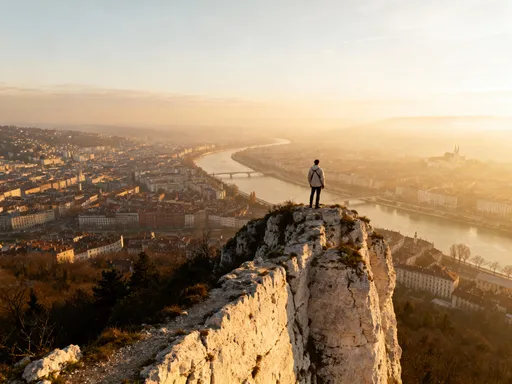
In contrast, Little Adam’s Peak offers a gentler experience. This conical hill, believed to have volcanic origins, rises more gradually and is accessible to hikers of all ages and fitness levels. The well-maintained path is lined with wildflowers, ferns, and occasional monkeys leaping through the trees. The climb takes about 45 minutes at a leisurely pace and rewards visitors with sweeping views of the valley below. At sunrise, the mist rolls in like waves, revealing and concealing the landscape in a mesmerizing dance. Unlike Lion Rock, this trail is wide and well-marked, making it ideal for families or those seeking a peaceful morning walk.
Both hikes are best enjoyed early in the morning, when temperatures are cooler and the light is softest for photography. Proper footwear is essential—grippy hiking shoes with good ankle support are recommended, especially for Lion Rock. While Little Adam’s Peak can get crowded during peak season, starting before 6 a.m. ensures a more solitary experience. Regardless of which trail you choose, the connection between geology and experience is undeniable: the shape of the land dictates not only what you see, but how you move through it.
The Nine Arches Bridge: Where Nature and Engineering Embrace
One of Ella’s most photographed landmarks, the Nine Arches Bridge, is a masterpiece of colonial-era engineering seamlessly integrated into the natural landscape. Built in the early 1900s during British rule, this stone and brick viaduct spans a deep valley, supported by nine graceful arches that rise over 90 meters above the ground. Nestled in dense jungle, the bridge appears almost organic, as if grown from the hillside rather than constructed. Its design was a response to the challenging terrain—engineers had to find a way to carry the railway across a steep ravine without the heavy machinery available today.
The construction of the bridge was a feat of human ingenuity and endurance. Local laborers, many of them Tamil tea workers, quarried stone by hand and transported materials up the slopes using basic tools. The arches were built without steel reinforcements, relying instead on precise masonry techniques that have allowed the structure to withstand over a century of monsoon rains and shifting earth. Today, the bridge remains fully functional, with passenger trains passing through several times a day. The sound of the approaching train echoes through the valley, growing louder until the engine emerges from a tunnel, crosses the bridge in a slow, majestic arc, and disappears into the greenery on the other side.
For visitors, the best way to experience the Nine Arches Bridge is to view it from the nearby walking paths or designated photo spots. The most popular vantage point is a small platform on the hillside opposite the bridge, accessible via a short trail from Ella town. Photographers often arrive before dawn to capture the morning light filtering through the arches or the train silhouetted against the rising sun. Another option is to walk along the railway tracks themselves—though this should only be done with caution and awareness of train schedules. Some guesthouses and tour operators offer guided walks that include historical commentary and safe access to the best angles.
The bridge is more than just a photo opportunity; it symbolizes the harmony between human design and natural beauty. It does not dominate the landscape but complements it, becoming part of the scenery itself. In a world where infrastructure often clashes with nature, the Nine Arches Bridge stands as a reminder that thoughtful engineering can enhance, rather than disrupt, the environment.
Hidden Valleys and Secret Paths: Off-the-Beaten-Track Exploration
Beyond the well-trodden trails and famous viewpoints, Ella holds quieter corners that reveal the raw, untamed side of its terrain. These hidden valleys and lesser-known paths offer solitude, unexpected beauty, and a deeper connection to the land. One such route is the trail to Ella Gap, a natural break in the mountain range that provides a dramatic view of the southern plains stretching into the distance. Less frequented than Little Adam’s Peak, this path winds through moss-covered boulders, narrow ridges, and patches of cloud forest where orchids cling to tree trunks.
Another rewarding journey leads to Ravana Falls, one of Sri Lanka’s widest waterfalls. The hike begins behind a small temple and follows a dirt path that descends through tea fields and jungle. The sound of rushing water grows louder with each step, until the falls come into view—a powerful cascade tumbling over layered rock into a clear pool below. According to local legend, this site is linked to the ancient epic Ramayana, where the demon king Ravana once held a captive princess. Whether or not one believes the story, the energy of the place is palpable, and many visitors take a moment to pause and reflect by the water’s edge.
These off-the-beaten-track experiences are not without challenges. The terrain can be unpredictable—sudden drops, slippery stones, and overgrown paths require attention and steady footing. Streams often cut across trails, especially during the rainy season, making waterproof footwear a necessity. But the rewards far outweigh the effort. In these quiet places, the sounds of nature dominate: birdsong, rustling leaves, the distant call of a peacock. There are no crowds, no vendors, no distractions—just the land in its most authentic form.
With such access comes responsibility. Travelers are encouraged to practice low-impact hiking: staying on marked trails to prevent soil erosion, avoiding littering, and respecting private land and farming areas. Some paths cross small vegetable plots or grazing fields, and it’s important to close gates and avoid disturbing livestock. By treading lightly, visitors help preserve the integrity of these fragile ecosystems for future generations.
How the Landscape Shapes Daily Life
The dramatic terrain of Ella does not just attract tourists—it shapes the daily lives of those who live here. Agriculture in this region is defined by adaptation. Terraced farming is the norm, with families cultivating small plots on steep slopes where machinery cannot go. Tea remains the dominant crop, but many households also grow vegetables, fruits, and spices on their land. Bananas, pineapples, and cardamom thrive in the cool, moist climate, often grown in mixed gardens that maximize space and biodiversity.
Livestock grazing is another common sight, with goats and cattle navigating rocky pastures with surprising agility. Farmers rely on centuries-old knowledge to manage their animals in this challenging environment, moving them seasonally to access fresh grass and shelter from rain. Water is collected from natural springs and streams, and many homes still use traditional methods for irrigation and storage. The rhythm of life here is closely tied to the weather, the seasons, and the demands of the land.
Transportation remains a challenge. Roads are narrow and winding, often shrouded in fog, which can delay travel and complicate deliveries. During the monsoon season, landslides occasionally block routes, cutting off villages for days. Yet, the community has developed resilient systems—local drivers know every turn, and small shops stock essentials in anticipation of disruptions. Tourism has brought new opportunities, with many families opening guesthouses, restaurants, or guided tour services. These businesses allow residents to share their culture while earning a sustainable income.
Conversations with locals often reveal a deep respect for the land. Tea pluckers speak of the mountains as if they were family, describing changes in weather patterns and plant health with quiet concern. Guesthouse owners share stories of childhood hikes and family traditions tied to the seasons. This intimate relationship between people and place is one of Ella’s most enduring lessons—it reminds visitors that landscapes are not just backdrops, but living, breathing entities that sustain and shape human life.
Planning Your Ella Adventure: Smart Choices for Maximum Enjoyment
Preparing for a trip to Ella begins with thoughtful planning. Accommodations range from budget guesthouses to luxury eco-lodges, but the most memorable stays are those that take full advantage of the terrain. Hillside bungalows with panoramic views, treehouse retreats, and boutique hotels built into the rock face offer immersive experiences that connect guests directly with the landscape. Booking in advance is recommended, especially during the peak season from December to March, when skies are clearest and temperatures most pleasant.
Packing appropriately is essential. The weather in the highlands can change rapidly—mornings may be sunny, but afternoon showers are common. A lightweight, waterproof jacket, layered clothing, and a reliable pair of hiking shoes with excellent grip are non-negotiable. Since many trails involve climbing and uneven surfaces, trekking poles can provide added stability. Other essentials include a reusable water bottle with a built-in filter—clean drinking water is not always available on remote paths—and a small backpack to carry snacks, sunscreen, and a rain cover for electronics.
Timing your visit wisely enhances the experience. Early morning hikes offer the best visibility, as mist tends to clear by midday. Sunrise at Little Adam’s Peak or Ella Gap is particularly breathtaking, with golden light spilling over the valleys. Conversely, afternoons are ideal for visiting tea factories or relaxing at a café with a mountain view. Travelers should also check train schedules if they plan to photograph the Nine Arches Bridge, as the vintage carriages pass at predictable times and create a perfect moment for capturing the scene.
Responsible tourism is key. Choosing locally owned businesses, minimizing plastic use, and respecting cultural norms contribute to sustainable travel. Guides and porters can be hired through community cooperatives, ensuring that tourism dollars support the local economy. By making mindful choices, visitors help protect Ella’s fragile environment while enriching their own journey.
Why Ella’s Earth Speaks to the Soul
Ella’s terrain is more than a collection of hills, rocks, and trails—it is a storyteller. Every ridge, valley, and stream carries the imprint of time, weather, and human effort. To walk through this landscape is to engage in a quiet dialogue with the earth, one that awakens a sense of wonder and humility. The dramatic landforms inspire awe, yes, but they also invite reflection. They remind us that beauty often arises from struggle—of soil holding fast to steep slopes, of farmers tending crops in difficult conditions, of bridges built by hand to span impossible gaps.
This connection to nature fosters a deeper respect for the planet’s artistry and the resilience of those who live close to it. In an age of speed and digital distraction, Ella offers a rare chance to slow down, breathe deeply, and listen. The land speaks in subtle ways—the rustle of tea leaves, the echo of a train on stone, the silence between mountain peaks. Those who pay attention will find not just scenery, but meaning.
For women between 30 and 55—many of whom balance family, work, and personal well-being—Ella represents a sanctuary where renewal is possible. It is a place to walk without agenda, to sip tea grown on misty slopes, to stand at the edge of a valley and feel both small and significant at once. The journey here is not about conquering heights, but about rediscovering balance.
So let the land guide you. Seek destinations where geography tells a story, where every step reveals something true. And when you stand atop a hill at dawn, wrapped in mist and quiet, remember to listen closely—because the earth has been whispering for centuries, and it still has much to say.