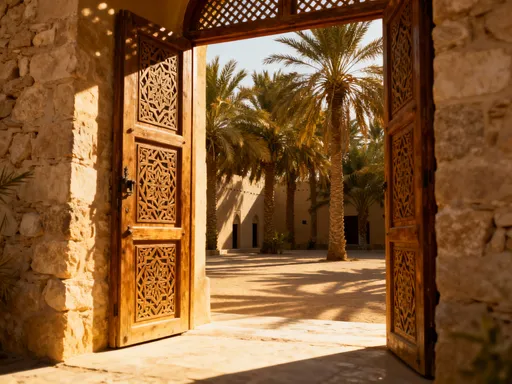
Through the Lens of Osh: Where Culture Comes Alive in Every Frame
You know that rush when you capture a moment so real it feels like the photo could breathe? That’s Osh. Nestled in southern Kyrgyzstan, this ancient city isn’t just about history—it lives it. I wandered its bazaars, temples, and alleyways, camera in hand, and every shutter click felt like a conversation with centuries. If you're chasing authenticity through photography, Osh’s cultural heartbeat is impossible to ignore. This is raw, unfiltered heritage—waiting to be seen. More than a stop along the old Silk Road, Osh is a living museum where tradition isn’t preserved behind glass but expressed daily in gestures, flavors, and faces. For photographers seeking depth over dazzle, Osh offers not just scenes, but stories—etched in stone, woven in fabric, and carried in the eyes of its people.
Arrival in Osh: First Impressions Through the Viewfinder
Stepping into Osh for the first time is like opening a well-worn book whose pages pulse with life. The city greets visitors not with polished monuments or curated tourist zones, but with the unvarnished rhythm of daily existence. As the minibus rolls to a stop near the city center, the air fills with the scent of grilled meat, ripe melons, and diesel fumes—a sensory blend as real as it is unforgettable. Children dart between vehicles, vendors call out prices in melodic Kyrgyz, and the call to prayer drifts from a distant minaret, weaving through the urban symphony. From the very first glance, Osh presents a visual feast: pastel-painted buildings with peeling facades, laundry strung between balconies, and bicycles piled high with goods navigating narrow lanes. It’s a city that doesn’t pause for the camera—it simply exists, and in doing so, invites you to witness it.
What sets Osh apart from other historic Silk Road cities is its lack of pretense. Unlike Samarkand or Bukhara, where tourism has polished edges and choreographed experiences, Osh remains refreshingly uncurated. There are no ticketed entry points to daily life here. You don’t need a guide to find authenticity; you only need to walk. The city’s ancient roots are visible not in grand restorations but in the way elders sit on low stools outside teahouses, sipping green tea and watching the world pass by, or how women in embroidered headscarves balance baskets of fresh bread on their heads. These are not performances for visitors—they are moments of continuity, repeated across generations.
For photographers, this means every corner holds potential. The contrast between old and new—Soviet-era apartment blocks standing beside centuries-old mosques, electric wires crisscrossing above traditional wooden gates—creates layers of visual narrative. The light in Osh, especially in the late afternoon, bathes the city in a golden warmth that softens its rough edges without erasing its character. Arriving with a camera in this environment is not about seeking perfection, but about embracing the imperfect, the spontaneous, and the deeply human. Osh does not offer staged backdrops; it offers truth in motion.
Sulaiman-Too: A Sacred Mountain with Stories in Stone
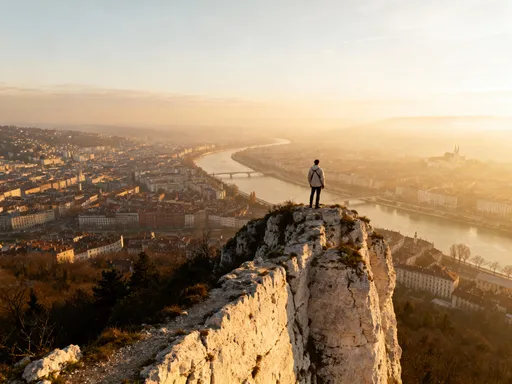
Rising abruptly from the city’s southern edge, Sulaiman-Too is more than a geological formation—it is a spiritual anchor, a UNESCO World Heritage Site, and one of Central Asia’s most sacred mountains. For over a thousand years, pilgrims have climbed its five peaks, leaving behind prayers, cloth offerings, and silent reverence. To photograph Sulaiman-Too is to engage with a landscape that has borne witness to centuries of devotion. The mountain’s name, meaning “Solomon’s Throne,” reflects the local belief that the prophet once rested here, though its significance transcends any single faith. It has served as a place of worship for Zoroastrians, Muslims, and animists alike, making it a rare symbol of spiritual continuity in a region shaped by shifting empires.
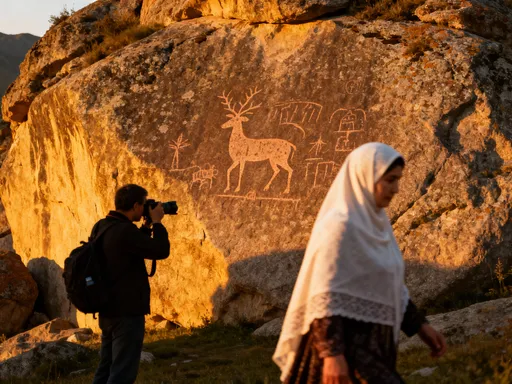
From a photographic standpoint, Sulaiman-Too offers unparalleled opportunities to capture both grandeur and intimacy. At sunrise, the eastern slopes glow in soft amber light, casting long shadows across the city below. As the sun climbs, the rock faces reveal intricate textures—cracks, crevices, and ancient petroglyphs etched into the stone. These carvings, some dating back 2,500 years, depict ibex, solar symbols, and human figures in ritual poses. Capturing them requires patience and careful framing; many are partially obscured by time and weather, demanding close attention to detail. A macro lens can reveal the delicate craftsmanship of these forgotten artists, while a wide-angle shot can place the engravings within the vastness of the mountain’s embrace.
Equally compelling are the people who make the pilgrimage. Elderly women in long coats and headscarves climb slowly, pausing to touch sacred stones or tie ribbons to thorny bushes—a gesture believed to carry prayers skyward. Young families follow winding paths, children skipping ahead while elders chant quietly. Photographing these moments requires discretion and respect. Rather than intrusive close-ups, consider using a telephoto lens to capture gestures from a distance—hands pressed against warm rock, eyes closed in prayer, the quiet focus of a woman lighting a candle in a small shrine. These images convey devotion without violating privacy. The golden hour, just before sunset, transforms the entire mountain into a silhouette against a painted sky, offering dramatic compositions that balance human presence with natural majesty.
Osh Bazaar: Chaos with Character, Color, and Soul
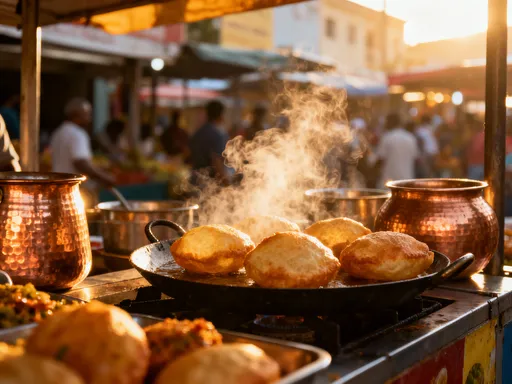
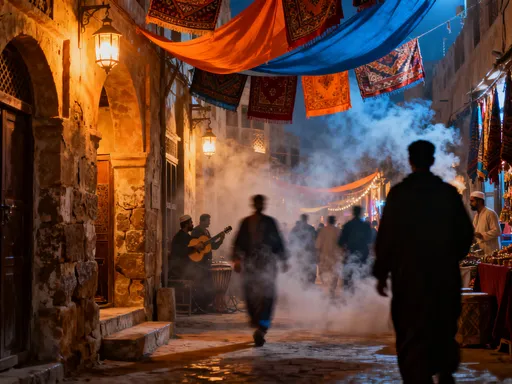
If Osh has a beating heart, it is the Osh Bazaar. This sprawling marketplace is not a tourist attraction dressed up as local life—it is local life in its most vibrant form. Stretching across several city blocks, the bazaar pulses with energy from dawn until dusk. The air is thick with the scent of cumin, dried apricots, and freshly baked nan bread. Rows of stalls overflow with mountains of spices in every shade—turmeric gold, paprika red, sumac deep purple—stacked in burlap sacks or spread on cloths. Vendors call out prices, barter with regulars, and occasionally glance at passing photographers with a knowing smile. There is no hostility here, only a quiet understanding that your lens is part of the scene, not its master.
Photographing the bazaar successfully means moving with intention, not intrusion. Natural light filters through the gaps in the corrugated metal roof, creating pockets of brightness and shadow. Early morning is ideal, when the sun slants in from the east, illuminating faces and goods without harsh glare. Use this light to your advantage: position yourself so the sun highlights a vendor’s hands as they weigh dried figs, or catches the steam rising from a pot of simmering shorpo, a traditional mutton soup. Avoid using flash—it disrupts the atmosphere and can offend. Instead, increase your ISO slightly and embrace the grain; it adds texture, much like the bazaar itself.
One of the most photogenic sections is the dairy display, where women sell kaymak (clotted cream), suzma (strained yogurt), and kumys (fermented mare’s milk) in glass jars and ceramic bowls. The textures are rich—creamy whites, slight yellows, condensation on the glass—inviting close-up shots that emphasize tactility. Equally compelling are the textile stalls, where hand-embroidered elechek headdresses, felted shyrdaks, and woolen socks are laid out in colorful arrays. These items are not souvenirs; they are functional, cultural artifacts passed down through families. When photographing them, consider including the hands of the seller—wrinkled, strong, experienced—as a way of honoring the human connection behind the craft.
The Silk Road’s Living Legacy in Urban Architecture
Osh’s architecture tells a story of coexistence—between empires, eras, and aesthetics. Unlike cities that have erased their past to make way for modernity, Osh wears its layers proudly. In the older neighborhoods, you’ll find traditional Kyrgyz homes with carved wooden eaves, painted floral motifs, and courtyards enclosed by high walls. These homes, often passed down through generations, reflect a way of life centered on family, privacy, and seasonal rhythms. Adjacent to them stand Soviet-era apartment blocks—functional, gray, and angular—built during the mid-20th century. The contrast is not jarring; it is honest. It speaks to a city that has absorbed change without losing its soul.
For architectural photographers, this blend offers endless framing opportunities. Seek out streets where a centuries-old mosque with a turquoise dome stands beside a 1970s concrete building with peeling paint. Capture the details: the intricate woodwork of a traditional doorway, the calligraphy above a shop entrance, the way ivy creeps up a Soviet-era stairwell. These elements, when composed together, tell a story of resilience and adaptation. The city’s mosques, in particular, are rich in visual narrative. Many feature modest facades but ornate interiors, with hand-painted ceilings and rows of carved wooden pillars. Photographing them requires permission, but when granted, the results are deeply rewarding.
One neighborhood worth exploring is the area surrounding the old Friday Mosque, where narrow alleys open into hidden courtyards. Here, time moves differently. Women hang laundry on lines strung between houses, children kick a deflated ball in a dirt square, and elders sit on low benches sipping tea. These scenes are not staged—they unfold naturally, offering candid moments that reflect the rhythm of urban Kyrgyz life. Use a 35mm or 50mm lens to capture both the environment and the people within it, maintaining a respectful distance while still conveying intimacy. The key is patience: wait for the right moment—a shared laugh, a hand gesture, a beam of light cutting through an alley—before pressing the shutter.
People of Osh: Portraits Beyond the Pose
No photograph of Osh is complete without its people. They are the keepers of tradition, the weavers of stories, the quiet guardians of a culture that thrives in the everyday. But photographing people, especially in a conservative society, requires more than technical skill—it demands empathy, humility, and clear communication. In Osh, many older residents are not accustomed to being photographed, and some may feel uneasy if approached abruptly. The best approach is simple: smile, make eye contact, and ask permission with a gesture—point to your camera and raise your eyebrows in question. Most will nod, some will wave you on, and a few may even pose proudly, especially if you show them the result afterward.
Some of the most powerful portraits are not the posed ones, but the in-between moments: an elderly man repairing a pair of boots with a leather thong, a woman rolling dough for manty dumplings in a shaded doorway, a child balancing a stack of flatbreads on his head as he walks home. These images capture not just faces, but lives. Use natural light to your advantage—position your subject near a window or under a shaded awning to avoid harsh overhead sun. A shallow depth of field can isolate the subject while still suggesting the environment, but don’t overuse it. The context—the kitchen, the workshop, the street—matters as much as the person.
When photographing children, always seek permission from a parent or guardian. Many families are happy to let you take a photo, especially if you engage first—ask their name, compliment their clothes, share a laugh. Children in Osh are often curious about cameras and may strike a pose on their own. While these moments can be charming, try to wait for the unguarded ones—the way a little girl adjusts her braids, or how two boys mimic their elders while playing near a mosque. These fleeting expressions carry more truth than any staged smile. Remember, every portrait is a collaboration. It is not just about what you see, but what you honor.
Hidden Courtyards and Quiet Shrines: Offbeat Cultural Gems
Beyond the bazaar and the mountain, Osh’s quieter corners hold some of its most profound cultural expressions. These are not the sites listed in guidebooks, but the places where tradition breathes without performance. Tucked behind unmarked doors, you’ll find family-run teahouses where men gather in the late afternoon, sipping tea and discussing everything from weather to wisdom. In hidden courtyards, artisans shape copper bowls, weave silk scarves, or repair traditional instruments. Small mosques, often no larger than a room, welcome worshippers with quiet dignity. These spaces are not hidden to exclude, but because they do not need an audience. They exist for themselves.
Photographing these places requires a slower pace. Arrive without agenda. Sit. Observe. Let trust build naturally. A teahouse owner may invite you to share a glass of tea; a craftsman might demonstrate his technique if you show genuine interest. These moments, when they happen, are gifts. When photographing, avoid wide, sweeping shots that reduce the space to a mere backdrop. Instead, focus on details: steam rising from a samovar, hands shaping wet clay, the reflection of light on a polished copper surface. These images, though quiet, carry deep resonance.
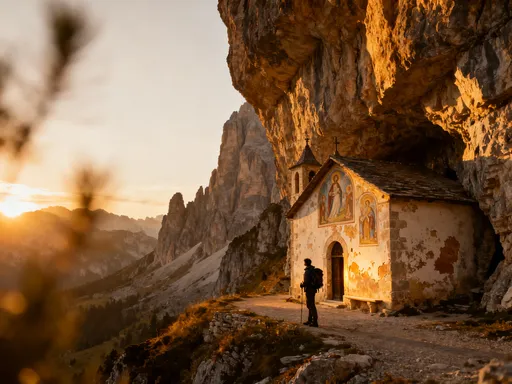
One such place is a small shrine near the base of Sulaiman-Too, accessible only by a narrow stone path. It is rarely visited by tourists, but local women come regularly to pray, leaving behind small offerings of bread and flowers. The shrine’s walls are covered in faded inscriptions, some in Arabic script, others in unknown symbols. Photographing here should be done with reverence—wide shots that include the surrounding landscape, close-ups of the offerings, and soft-focus images of light filtering through a window. Avoid photographing people in prayer unless they explicitly consent. Instead, capture the atmosphere—the stillness, the warmth, the sense of continuity. These offbeat locations remind us that culture is not always loud or visible; sometimes, it is a whisper, waiting to be heard.
From Snapshots to Storytelling: Editing with Integrity
Returning home with hundreds of images from Osh is only the beginning. The real work lies in selecting and editing with care. In an age where filters and presets can transform reality, it is crucial to approach post-processing with integrity. The goal is not to make Osh look more dramatic, more exotic, or more 'other'—but to represent it as it is: vibrant, complex, and deeply human. Enhance exposure, adjust contrast, and fine-tune white balance to reflect the true colors of the scene, but avoid heavy-handed edits that distort skin tones, oversaturate skies, or erase shadows. The textures of Osh—the rough stone, the wrinkled hands, the faded paint—are not flaws to be removed, but truths to be preserved.
When selecting images for a portfolio or album, ask yourself: Does this photo respect the subject? Does it tell a story, or merely exploit a moment? A powerful image of a vendor at the bazaar should not reduce her to a 'colorful local' but should honor her presence, her labor, her dignity. Include context when sharing—mention the name of the market, the type of bread she sells, the time of day. If possible, share the photo with the subject or community, either in person or through a local contact. This act of reciprocity closes the loop between photographer and subject, transforming a one-sided capture into a shared moment.
Finally, consider how you present your work. A simple caption can educate as much as it describes. Instead of 'Old woman in Osh,' write 'Aisha, 72, has sold handmade felt slippers at Osh Bazaar for 45 years.' These details humanize, they connect, they resist the flattening effect of the lens. Photography in Osh is not about collecting images—it is about bearing witness. When done with humility and heart, your photos become more than memories; they become acts of preservation, respect, and quiet celebration.
Photographing Osh isn’t about chasing perfect symmetry or Instagram trends—it’s about witnessing a culture that wears its past proudly. Every image taken here carries weight, a whisper of resilience and continuity. When you return home, your photos won’t just decorate walls—they’ll remind you of real lives, real faith, real flavor. So pack your lens, your patience, and your humility. In Osh, culture doesn’t perform—it simply is.