You Won’t Believe How Oaxaca’s Architecture Steals Your Heart
Walking through Oaxaca feels like stepping into a living canvas where every wall tells a story. The city’s architecture—bursting with color, texture, and history—doesn’t just catch your eye, it changes how you see beauty. From colonial courtyards to indigenous craftsmanship, the blend is unforgettable. If you’ve ever wanted to travel deeper than the surface, understanding why a place feels magical, this is your moment. Let’s explore how Oaxaca’s built world shapes soul-stirring experiences.
First Impressions: The Visual Language of Oaxacan Streets
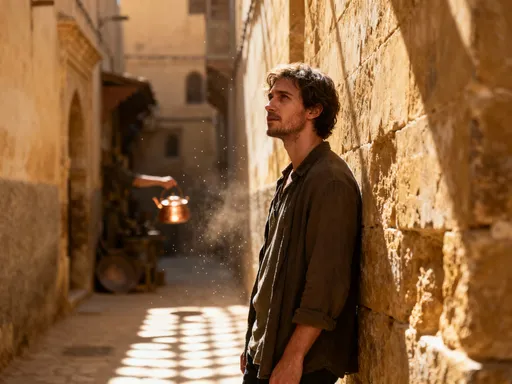
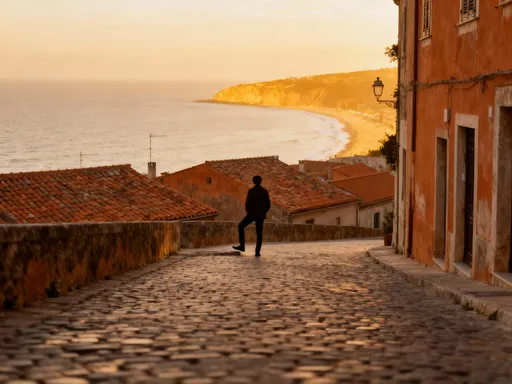
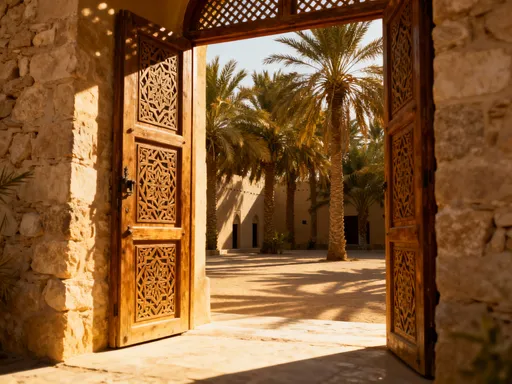
Arriving in Oaxaca, the first thing that strikes visitors is the harmony of chaos and charm. The city unfolds in layers—narrow cobblestone streets wind like veins through the historic center, flanked by buildings painted in warm ochres, deep corals, and sunlit yellows. Iron grilles shaped like vines guard balconies, while wooden doors, carved with geometric patterns, stand as silent gatekeepers to hidden courtyards. These visual elements are not accidental; they form a language of place, one that speaks of centuries of layered history and lived-in beauty. The rhythm of walking through Centro Histórico is intimate, almost personal, as if the city itself is leaning in to share its secrets.
Urban design in Oaxaca prioritizes human scale. Buildings rarely rise beyond three stories, allowing sunlight to dapple the sidewalks in soft patterns. The streets, intentionally narrow, create natural shade and encourage slow movement. This is not a city built for speed. Instead, it invites contemplation. As you wander, the textures change beneath your feet—some alleys paved with smooth river stones, others with irregular flagstones that echo the region’s volcanic origins. The facades seem to breathe, their stucco surfaces slightly uneven, hand-finished, alive with imperfections that speak of craftsmanship rather than mass production.
The emotional effect of this environment is profound. Psychologists studying environmental design have long observed that environments rich in texture, color, and irregularity stimulate the senses in a way that fosters emotional connection. In Oaxaca, this is evident in the way visitors often pause—mid-step—to touch a wall, photograph a doorway, or simply stand still, absorbing the atmosphere. The first visual contact sets a tone of reverence, signaling that this is not just a destination, but a place to be felt. It prepares the traveler for cultural immersion, not as an observer, but as a participant in a living tradition.
Colonial Bones, Indigenous Soul: The Fusion That Defines Oaxaca
Oaxaca’s architectural identity is rooted in a complex historical dialogue between Spanish colonial rule and indigenous resilience. When the Spanish arrived in the 16th century, they imposed their vision of urban order—grid-patterned streets, central plazas, and Catholic churches rising above the skyline. Yet, unlike in many other colonial cities, this imposition did not erase the existing cultures. Instead, a unique synthesis emerged, one where colonial forms were reinterpreted through indigenous sensibilities. The result is a built environment that honors both its European past and its deep-rooted Mesoamerican heritage.
Nowhere is this fusion more evident than in the Santo Domingo de Guzmán Church and former convent. Built over decades, beginning in the late 1500s, the structure exemplifies Baroque grandeur with its gilded altarpieces and ornate façade. Yet, a closer look reveals subtle indigenous influences—the use of local stone, the integration of native floral motifs in the stonework, and the symbolic alignment with pre-Hispanic cosmology. The interior of the church, now part of the Museo de las Culturas de Oaxaca, houses artifacts from Zapotec and Mixtec civilizations, reinforcing the idea that colonial architecture here did not replace but coexisted with older traditions.
The layout of Oaxaca City itself reflects this duality. The central plaza, or Zócalo, follows the Spanish model of a public square surrounded by government buildings and churches. Yet, the way locals use the space—families strolling in the evenings, musicians playing in the kiosks, vendors selling handmade goods—echoes indigenous practices of communal gathering. Even the materials tell a story of adaptation. While colonial builders introduced lime plaster and fired brick, they often relied on indigenous labor and local techniques, resulting in structures that, while formally Spanish, carry the imprint of native hands. This coexistence is not just architectural—it is cultural, spiritual, and deeply human.
Color as Culture: Why Buildings Here Don’t Just Stand—They Sing
In Oaxaca, color is not decoration—it is language. The buildings do not merely stand; they sing in hues of coral pink, cobalt blue, sunflower yellow, and terracotta red. These are not arbitrary choices. Each color carries meaning, drawn from the natural world and the cultural memory of the region. The vibrant pigments often originate from mineral-rich earth, plant-based dyes, and ancestral knowledge passed down through generations. Cochineal, a red dye derived from insects native to the region, has been used for centuries in textiles and is echoed in the crimson tones of many building facades.
The emotional impact of this chromatic richness is immediate. Studies in environmental psychology suggest that warm, saturated colors can elevate mood and create a sense of vitality. In Oaxaca, this effect is amplified by the way light interacts with color. During the early morning, the east-facing walls glow softly, their pinks and oranges deepening in the rising sun. By midday, the whites and yellows reflect light, cooling the narrow streets. In the late afternoon, long shadows stretch across blue walls, creating a calming, almost meditative contrast. The city’s palette is not static—it shifts with the hours, offering a dynamic visual experience that feels alive.
What makes Oaxaca’s use of color truly unique is its cultural continuity. Unlike colonial cities in other parts of Latin America, where restoration efforts often favor muted, historically “accurate” tones, Oaxaca embraces vibrancy as an expression of identity. This is especially true in neighborhoods like Jalatlaco and Xochimilco, where families repaint their homes with pride, choosing colors that reflect personal and communal joy. The result is a city that refuses to be museum-like. Instead, it pulses with life, where every painted wall is an act of cultural affirmation. To walk these streets is to witness a living tradition—one where beauty is not preserved behind glass, but lived on every surface.
Courtyards, Arches, and Hidden Worlds: Designing for Life, Not Just Looks
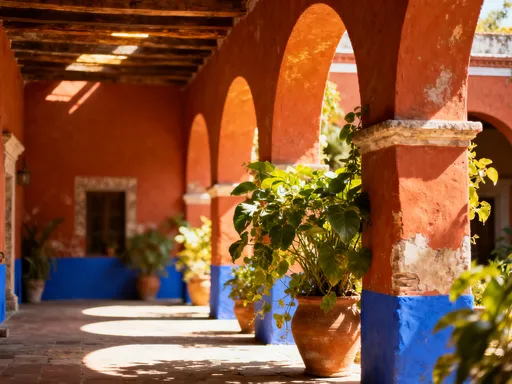
Beyond the colorful facades lie the heart of Oaxacan architecture: the interior courtyard, or patio. These private oases are more than aesthetic features—they are essential to the rhythm of daily life. Traditionally, homes were built around a central open space, often tiled or planted with native flora like bougainvillea, jasmine, or citrus trees. The patio functions as a climate moderator, allowing air to circulate and heat to rise, naturally cooling the surrounding rooms. In a region where temperatures can soar during the day, this passive design is both practical and elegant.
But the courtyard’s role extends beyond thermodynamics. It is a social space—a place for family meals, afternoon naps, and evening conversations. In the restored casonas that now serve as boutique hotels or cultural centers, the patio remains the focal point. Guests are drawn to these inner sanctuaries, where the sound of a fountain or the rustle of leaves replaces the bustle of the street. The design encourages lingering, inviting people to slow down and reconnect with themselves and others. This emphasis on lived experience over visual spectacle is a hallmark of Oaxacan architecture.
Arches and open-air corridors further enhance this sense of flow. Many homes feature covered walkways with rounded arches, creating shaded transitions between rooms and the courtyard. These spaces blur the boundary between inside and outside, a design principle that reflects a deeper cultural value: harmony with nature. Even in modern adaptations, architects preserve this openness, using glass doors that fold away or latticed screens that filter light without blocking it. The result is a built environment that doesn’t isolate people from the world, but connects them to it—through air, light, sound, and scent.
Craft in Construction: When Walls Are Woven Like Textiles
In Oaxaca, building is not an industrial process—it is a craft. The same hands that weave intricate rugs in Teotitlán del Valle or carve alebrijes in San Martín Tilcajete also shape the city’s architecture. This connection between construction and traditional artistry is evident in the textures of walls, the carving of wooden beams, and the placement of hand-cut tiles. Just as a Zapotec weaver plans a design thread by thread, a mason in Oaxaca lays each stone with intention, creating surfaces that are as much art as structure.
One of the most distinctive techniques is the use of canelo finish—a textured plaster applied by hand, often with a trowel or even fingers, leaving subtle ridges and swirls. When light hits these walls, it creates a play of shadow and depth, much like the sheen on a handwoven textile. Similarly, wooden doors and window frames are frequently carved with geometric or floral motifs that echo patterns found in regional embroidery and pottery. These details are not afterthoughts; they are integral to the design, expressing identity and pride.
The slow-building philosophy behind these techniques stands in contrast to modern construction trends focused on speed and uniformity. In Oaxaca, time is not an enemy but a collaborator. A wall may take days to complete, but it gains character in the process. This approach reflects a broader cultural value: that beauty emerges from patience, care, and connection to place. For travelers, recognizing these details transforms a simple walk into a journey of discovery. Each chiseled stone, each hand-painted tile, tells a story of continuity and craftsmanship that cannot be replicated by machines.
Modern Meets Timeless: How New Projects Respect the Past
As Oaxaca grows, new architecture faces the challenge of honoring tradition while meeting contemporary needs. Fortunately, a growing number of projects demonstrate that innovation and heritage can coexist. Architects are increasingly turning to passive cooling strategies, local materials, and low-impact designs that blend seamlessly with the historic fabric of the city. Eco-lodges on the outskirts use adobe walls, clay tile roofs, and rooftop terraces that mirror the skyline’s silhouette, ensuring new structures do not disrupt the visual harmony.
One observable trend is the use of courtyards in modern homes and cultural centers, preserving the inward-focused layout that defines traditional design. Another is the integration of natural ventilation and daylighting, reducing reliance on artificial cooling. Some newer buildings incorporate recycled materials—reclaimed wood, salvaged tiles—further aligning with sustainable values. While specific projects may vary, the overarching principle is consistency: new construction should not stand out, but belong.
This context-sensitive approach reflects a deeper respect for Oaxaca’s identity. Rather than imposing foreign styles or追求 dramatic statements, architects are choosing subtlety and continuity. Rooftop terraces, for example, are designed to offer views without dominating the skyline. Glass is used sparingly, often frosted or tinted to maintain privacy and reduce glare. The goal is not to erase the past, but to extend it—building upon a legacy of craftsmanship, climate wisdom, and cultural pride. In doing so, Oaxaca offers a model for how cities worldwide can grow without losing their soul.
Traveler’s Lens: How to Truly See Oaxaca’s Architecture
To experience Oaxaca’s architecture fully, one must learn to see differently. It is not enough to walk from landmark to landmark; true understanding comes from noticing the details. Begin in the early morning, when the light is soft and the streets are quiet. Walk through the Centro Histórico, but also explore lesser-known neighborhoods like Reforma or Guadalupe. Pay attention to door knockers shaped like animals, tile patterns that repeat like musical motifs, and the way shadows move across walls as the sun rises.
Take time to sit in a courtyard, even if only for a coffee. Notice how the space feels—cooler, quieter, more intimate. Observe how light filters through a lattice screen or dances on a water fountain. These moments of stillness allow the architecture to reveal itself not as a series of objects, but as a lived environment. Consider bringing a small sketchbook or journal. Drawing a doorway or writing about a color you’ve never seen before deepens engagement, transforming sightseeing into a personal dialogue with place.
Avoid the temptation to rush. Oaxaca resists the tourist who checks off attractions and moves on. Instead, it rewards those who linger, who return to the same plaza at different times of day, who talk to locals about their homes and neighborhoods. Ask a shopkeeper about the history of their building, or a hotel owner about the restoration process. These conversations enrich understanding, revealing layers of meaning that no guidebook can capture. To see Oaxaca’s architecture is not just to look—it is to listen, to feel, and to remember.
Oaxaca’s architecture isn’t just about buildings—it’s a dialogue between earth, history, and human spirit. By learning to read its walls, travelers gain more than memories; they gain a new way of seeing. In a world rushing toward uniformity, Oaxaca stands firm—a place where beauty is handcrafted, lived-in, and deeply soulful. To visit is not just to see, but to feel, belong, and remember.