Lyon on Foot: Where City Streets Meet Wild Beauty
Imagine lacing up your hiking boots not for a remote mountain trail, but in the heart of a vibrant European city. In Lyon, France, urban charm and untamed nature blend seamlessly. I never expected to find sun-drenched cliffs, riverside paths, and forested hills just minutes from cafés and trams. This is urban hiking at its finest—authentic, surprising, and absolutely breathtaking. Lyon defies the typical cityscape by offering an extraordinary network of green corridors, steep slopes, and riverfront trails that invite exploration on foot. It’s a place where culture and wilderness coexist, where a morning stroll can begin in a historic district and end atop a windswept ridge with panoramic views of the city and distant Alps. For travelers seeking both refinement and rejuvenation, Lyon delivers an experience that is as enriching as it is invigorating.
Why Lyon? Redefining the Urban Hike
Lyon stands apart from other European cities not only for its UNESCO-listed Old Town and renowned gastronomy but also for its unique geographical setting. Nestled at the confluence of the Rhône and Saône rivers, the city is framed by rolling hills, limestone cliffs, and expansive parks that rise just beyond the urban core. Unlike many metropolitan areas where nature feels like an afterthought, Lyon integrates green space into its very fabric. This allows residents and visitors alike to transition from bustling streets to serene forest paths in under twenty minutes—sometimes without even needing public transport.
The city’s topography plays a crucial role in this seamless blend. The Fourvière Hill looms over Vieux Lyon like a natural citadel, while the Croix-Rousse plateau offers a quieter, greener ascent lined with hidden staircases and wildflower meadows. To the east, the foothills of the Alps begin to rise, their presence felt in the crisp air and sweeping vistas visible from higher elevations. These natural features are not preserved relics tucked away behind fences; they are living landscapes, woven into daily life. Locals jog up the steps of Fourvière, children explore rocky outcrops in Parc de la Cerisaie, and retirees stroll through shaded woodland trails behind Fourvière Basilica.
What makes Lyon particularly special for walkers is the accessibility of these environments. A woman in her early 40s can leave her hotel in Presqu’île, walk ten minutes to the foot of Fourvière, and within half an hour be standing at a viewpoint overlooking five arrondissements, the twin spires of the basilica rising behind her. There’s no need for a car, no long bus ride—just comfortable shoes and the willingness to climb. This ease of access transforms the idea of hiking from a weekend excursion into a spontaneous act of discovery, one that fits naturally into a city break focused on art, food, or family time.
Moreover, Lyon’s commitment to sustainable mobility supports this kind of exploration. With an efficient metro, tram, and bus system, reaching trailheads across the city is simple and affordable. The TCL network connects key green spaces, allowing hikers to start their journey at one point and return via a different route. This flexibility encourages longer walks and circular routes, enhancing the sense of adventure. For families, couples, or solo travelers, Lyon offers a rare balance: the energy of a cosmopolitan center paired with the tranquility of nearby wilderness.
The Best Natural Escapes Within Reach
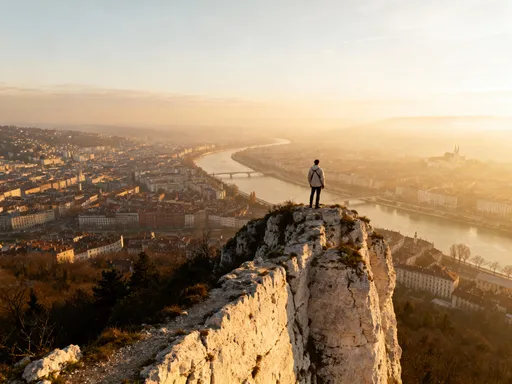
One of Lyon’s greatest strengths is the diversity of its accessible natural spaces. Each area offers a distinct character, terrain, and atmosphere, allowing hikers to choose experiences based on mood, fitness level, or time available. Fourvière Hill remains one of the most iconic destinations, not only for its religious significance but also for its network of forested paths and dramatic overlooks. The climb itself—whether via the grand staircase from Vieux Lyon or the lesser-known footpaths through Jardin des Curiosités—is part of the experience. Once at the top, the panoramic view stretches across the city, the winding rivers below resembling silver ribbons under the sun.
Equally rewarding is the northern edge of Parc de la Tête d’Or, a vast urban park best known for its lake and rose garden. Few tourists venture beyond the central lawns, but those who do discover a quiet woodland trail that follows the Rhône’s natural floodplain. Here, tall poplars and willows create a dappled canopy, and the sound of traffic fades into bird calls. In spring, bluebells carpet the ground; in autumn, fallen leaves crunch underfoot. This section of the park feels more like a countryside preserve than a city green space, yet it’s easily reached by tram from anywhere in central Lyon.
The slopes of Croix-Rousse offer a different kind of escape—less formal, more bohemian. Known historically as the center of Lyon’s silk industry, the area retains a creative spirit, visible in its street art and independent boutiques. But beyond the cultural attractions lie steep, winding paths that climb through limestone grottos and former quarry tunnels. The Sentier du Mulet, a historic mule track, winds upward through shaded groves, offering glimpses of rooftops and church towers between the trees. At the summit, a quiet park provides a peaceful resting spot with views over the Saône River.
For those seeking a more secluded experience, the Chemin du Bœuf in the southern suburb of Saint-Fons is a hidden gem. This ancient ox path, now a well-maintained hiking trail, follows a natural ridge through scrubland and pine woods. It’s popular with local runners and dog walkers but rarely appears on tourist maps. The trail gains elevation gradually, making it suitable for moderate hikers, and culminates in an open viewpoint with unobstructed sightlines across the Rhône Valley. On clear days, the snow-capped peaks of the northern Alps shimmer in the distance—a reminder that even in the city, the mountains are never far away.
Walking the Rhône: A Riverside Journey
One of the most accessible and scenic urban hikes in Lyon follows the banks of the Rhône River. Starting at Parc de la Confluence—the sleek, modern district built at the meeting point of the Rhône and Saône—this route heads north along wide, paved paths designed for pedestrians and cyclists alike. The trail is part of the larger Voie Bleue, a greenway that eventually connects cities across France, but even a short segment offers a deeply satisfying walking experience.
The path unfolds with a rhythm of water, sky, and architecture. To the west, the river flows steadily, its surface broken by small waves and the occasional barge. Herons stalk the shallows, and kingfishers flash by in bursts of electric blue. On the opposite bank, the 6th and 7th arrondissements present a mix of residential buildings and contemporary structures, including the striking glass curves of the Musée des Confluences. Further north, the landscape opens into parkland, where families picnic and children play near playgrounds and splash fountains.
What sets this walk apart is its sense of openness. Unlike the narrow streets of Old Lyon, the riverfront offers expansive views and fresh air, making it ideal for a revitalizing midday trek. Rest zones with benches, drinking fountains, and shaded pavilions are spaced regularly, allowing hikers to pause and absorb the scenery. Bike-sharing stations line the route, so those who prefer to alternate between walking and cycling can do so easily. For a half-day outing, walking from Confluence to Parc de la Tête d’Or—about 4.5 kilometers—provides a perfect balance of exercise, sightseeing, and relaxation.
Seasonal changes enhance the experience. In spring, cherry blossoms line parts of the path; in summer, plane trees offer generous shade; in autumn, the ginkgo trees turn brilliant gold. Even in winter, the trail remains inviting, especially on crisp, sunny mornings when the city lights reflect on the water. Because the route is flat and well-lit, it’s suitable for all ages and fitness levels, making it an excellent choice for families or travelers looking for gentle activity after days of museum visits and meals.
Conquering the Hills: Fourvière and Beyond
No visit to Lyon is complete without ascending Fourvière Hill, often called the “hill that prays.” The climb—whether by funicular, foot, or the grand 19th-century staircase—is both a physical and symbolic journey. For urban hikers, tackling it on foot offers the most rewarding experience. The main staircase from Vieux Lyon consists of over 200 steps, flanked by fountains and statues, creating a sense of pilgrimage. But more adventurous routes exist: narrow footpaths snake up the hillside through dense vegetation, revealing hidden chapels, stone arches, and quiet clearings.
At the summit, the panoramic view justifies every step. On a clear day, one can see across the entire city, the two rivers dividing the landscape like arteries. The modern skyscrapers of La Part-Dieu contrast with the terracotta rooftops of the historic center, while the distant Dombes region unfolds in patchwork fields. The emotional impact of reaching this vantage point is profound—it offers not just a visual reward but a sense of accomplishment. For many, standing atop Fourvière brings a moment of quiet reflection, a rare pause in the rhythm of travel.
For those seeking a less crowded alternative, Mont Thou in the eastern suburb of Vénissieux provides an equally impressive vista. This modest hill, part of the Chaîne des Puys, rises gently behind residential neighborhoods and is accessible via a network of forest trails. Unlike Fourvière, it lacks monumental architecture, but its unobstructed 360-degree view of Lyon and the surrounding countryside feels more intimate, more personal. At sunrise, the city lights fade as daylight spreads across the valley—a sight that lingers in memory.
Practical considerations matter on any hill climb. Sturdy footwear with good grip is essential, especially after rain when stone steps and dirt paths become slippery. Carrying water is advisable, particularly in summer months when shade is limited. Early morning or late afternoon hikes avoid the midday heat and offer the best light for photography. And while the climbs are steep, they are manageable for most adults with average fitness. The key is pacing—walking slowly, pausing to breathe, and enjoying the journey as much as the destination.
Secret Paths and Local Favorites
Beyond the well-trodden routes, Lyon harbors a network of lesser-known trails cherished by locals. These hidden paths offer solitude, beauty, and a deeper connection to the city’s natural character. One such route is the Sentier des Roches in Sainte-Foy-lès-Lyon, a suburb just southwest of the city center. This trail winds through a limestone escarpment, where centuries of erosion have carved caves, crevices, and overhangs. In spring, wild thyme and rockrose bloom along the path, filling the air with fragrance. Stone tunnels—once used by smugglers and shepherds—add a sense of mystery, inviting exploration.
Another local favorite is the wooded trail behind Parelle, a quiet residential area near the Parc de la Feyssine. This route begins unassumingly at a small parking lot but quickly descends into a shaded ravine where a seasonal stream murmurs over rocks. Ferns line the path, and in autumn, mushrooms sprout from the damp soil. Birdsong is constant—woodpeckers, warblers, and jays call from the canopy. The trail loops through mixed forest before reconnecting with a suburban street, making it ideal for a two- to three-hour hike that feels far removed from city life.
These secret paths are not marked on most tourist maps, but they are easy to find with the help of local hiking apps like Visorando or IGN Rando. Lyon’s Office of Tourism also publishes detailed walking guides that include off-the-beaten-path itineraries. For travelers who enjoy discovery, seeking out these trails adds a layer of authenticity to their visit. It’s not just about seeing Lyon—it’s about experiencing it as a local might, with curiosity and quiet appreciation.
Walking these hidden routes also fosters mindfulness. Without crowds or landmarks to distract, attention turns to small details: the texture of moss on stone, the pattern of sunlight through leaves, the sound of wind in the pines. This kind of slow, intentional walking has been linked to improved mental well-being, reducing stress and enhancing creativity. In a world that often feels rushed, these trails offer a sanctuary of slowness and presence.
Practical Tips for the Urban Hiker
Preparing for urban hiking in Lyon doesn’t require elaborate gear, but a few thoughtful choices can greatly enhance comfort and safety. First, footwear is critical. While stylish city shoes may suffice for museum visits, they are ill-suited for Lyon’s hills and uneven paths. A pair of lightweight trail shoes or supportive walking sneakers with good traction makes a significant difference, especially on wet stone steps or forest trails. Look for models that transition easily from pavement to dirt—ideal for a day that begins in the city and ends in the woods.
Packing light but smart is another key principle. A small backpack with a water bottle, a light rain jacket, and a few energy-rich snacks (such as nuts or dried fruit) covers most needs. A compact map or downloaded offline version of a hiking app ensures navigation remains simple, even in areas with weak signal. Sun protection—hat, sunglasses, and sunscreen—is advisable, particularly on exposed hilltops where shade is scarce. In cooler months, layering is essential; temperatures can drop quickly at higher elevations, even when the city below remains mild.
Timing also plays a role in a successful hike. Spring and autumn offer the most pleasant conditions—mild temperatures, blooming flora, and fewer tourists. July and August can be hot, especially on open slopes, so early morning or late evening walks are preferable. Winter hikes are possible but require extra caution on icy paths. Regardless of season, checking the weather forecast before departure helps avoid unpleasant surprises.
Finally, take advantage of Lyon’s public transit to extend your reach. The metro and tram lines connect major parks and trailheads, allowing for multi-stage hikes. For example, one could start at Hôtel de Ville, walk along the Saône, take the D line to Gare de Vaise, and ascend into the Monts du Lyonnais for a longer trek. This combination of walking and transit maximizes exploration without fatigue. And because most transit options are stroller- and luggage-friendly, families and older travelers can participate fully.
Why This Kind of Travel Matters
Urban hiking in Lyon is more than a physical activity—it’s a way of engaging with a city on a deeper level. It transforms passive tourism into active discovery, replacing checklist sightseeing with immersive experience. When you walk from the heart of Lyon to its surrounding hills, you don’t just see the city; you feel its rhythm, its layers, its contrasts. You notice how sunlight shifts across stone facades, how birds return to riverbanks at dusk, how neighborhoods change in character with every elevation gain.
This kind of travel aligns with growing global interest in mindful tourism and well-being. Studies have shown that spending time in nature, even in small doses, reduces stress, improves mood, and enhances cognitive function. By integrating natural movement into city visits, travelers support their physical and emotional health without sacrificing cultural enrichment. Lyon, with its seamless city-to-nature transitions, exemplifies how urban environments can nurture both body and spirit.
Moreover, walking fosters a sense of connection—to place, to community, to self. It slows down the pace of life, allowing space for reflection and presence. For women in their 30s to 50s, many of whom balance caregiving, careers, and personal interests, this kind of travel offers a rare opportunity for renewal. It’s not about extreme adventure or luxury indulgence; it’s about finding beauty in the everyday, strength in movement, and peace in quiet moments atop a windswept hill.
Lyon invites us to see cities differently—not as concrete jungles to be endured, but as gateways to natural beauty. It challenges the assumption that wilderness must be far away, difficult to reach, or reserved for specialists. Here, nature is not an escape from the city; it is part of it. And by lacing up our boots and stepping out the door, we reclaim the simple, profound joy of walking—of moving through the world with curiosity, courage, and open eyes. So the next time you plan a European getaway, consider Lyon not just for its silk and sausages, but for its sunlit paths, river whispers, and hilltop silences. Let the city surprise you. Let your feet lead the way.