You Won’t Believe What I Ate in Amsterdam
Amsterdam isn’t just canals and bicycles—its food scene is a total game-changer. I went searching for real Dutch flavor and found myself biting into warm stroopwafels, crispy bitterballen, and fresh herring like a local. This city serves up comfort, history, and surprise in every bite. If you're planning a trip, skip the tourist traps. Let me show you where the locals eat, what’s actually worth trying, and how to eat well without blowing your budget.
Arrival Bites: First Taste of Amsterdam
Stepping off the train at Amsterdam Centraal, the crisp North Sea air carried the scent of coffee and baked dough. Jet-lagged but curious, I followed the aroma to a corner café tucked between a flower shop and a bookstall. Inside, wooden benches, soft lighting, and the low hum of Dutch conversation created a welcoming warmth. This wasn’t a tourist menu with photos and inflated prices—just a chalkboard in neat cursive and a woman behind the counter who nodded in greeting.
I ordered what she recommended: a bowl of snert, the traditional Dutch pea soup. When it arrived—thick, smoky, and studded with chunks of sausage and carrots—I hesitated. It looked more like stew than soup. But the first spoonful was a revelation: deeply savory, with a slow-building richness that warmed me from the inside. Paired with a slice of dark rye bread and a dab of butter, it was the kind of meal that grounds you. In that moment, I wasn’t just visiting Amsterdam—I was beginning to belong.
Starting your journey with real local food does more than fill your stomach—it shifts your perspective. It signals to your senses that you’re not just passing through. Dutch cuisine often gets overlooked for its neighbors’ flashier offerings, but dishes like snert carry centuries of tradition. They reflect a culture shaped by cold winters, fertile farmland, and a no-nonsense approach to nourishment. Eating this way from the start sets the tone for a more authentic trip. It invites curiosity, slows you down, and opens doors to conversations you wouldn’t otherwise have.
Markets That Feed the Soul: Food Halls and Street Eats
No visit to Amsterdam is complete without a stroll through the Albert Cuyp Market in the De Pijp neighborhood. Stretching over 250 meters, this bustling street market pulses with energy from morning until early evening. Locals wheel their bikes through the aisles, baskets filling with herbs, flowers, and, most importantly, food. The market isn’t just a place to shop—it’s a social hub, a sensory experience, and one of the best spots to taste the city’s culinary soul.
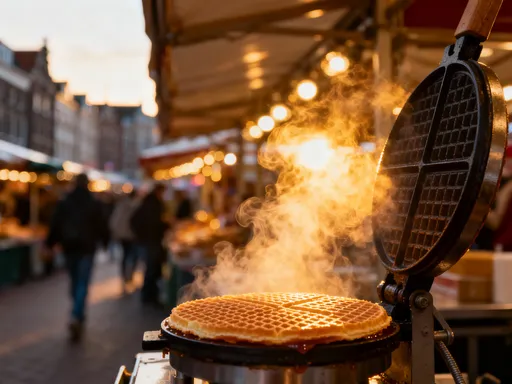
The star attraction? Fresh stroopwafels. Unlike the packaged versions found in supermarkets, these are made to order—two thin wafers pressed around a molten core of spiced syrup. Watching a vendor peel one from the iron, fold it over a steam pipe to soften, and hand it over with a smile is a small ritual worth savoring. The first bite delivers crisp edges giving way to a warm, gooey center that coats your tongue in cinnamon and caramel. It’s simple, yes, but unforgettable.
But the market offers far more than waffles. At one stall, I tried kibbeling—chunks of white fish, lightly battered and deep-fried, served with a tangy remoulade sauce. The fish was flaky, the batter golden and airy, and the sauce cut through the richness perfectly. Nearby, cheese vendors offered samples of aged Gouda, some smoked, some infused with herbs. The quality was consistently high, and many producers came from farms within a two-hour drive. Poffertjes—miniature fluffy pancakes dusted with powdered sugar—were another favorite, best eaten fresh off the griddle with a pat of melting butter.
To make the most of the market, go early—between 9:00 and 11:00 a.m. Crowds thicken by noon, and some of the best vendors sell out by early afternoon. Also, bring cash. While many stalls now accept cards, smaller vendors often prefer euros, and having bills helps speed up transactions. Don’t rush. Pause, taste, ask questions. The vendors appreciate the interest, and you’ll walk away with more than food—you’ll carry stories.
Dutch Classics, Decoded: What’s Actually Worth Trying
Amsterdam’s food culture is rooted in practicality and seasonality, but some dishes have risen to iconic status. Among them, bitterballen, haring, and stroopwafels stand out—not just for their flavor, but for what they represent. Understanding these classics helps separate the authentic from the overhyped.
Bitterballen are small, round, deep-fried snacks with a crisp outer shell and a velvety, meat-based filling. Traditionally served with a side of sharp mustard, they’re a staple in brown cafés—cozy, wood-paneled bars that have existed for over a century. The secret to a good bitterbalk is in the texture: the outside should crack slightly when you bite, releasing a rich, almost sauce-like interior. They’re best eaten hot, often alongside a lager or a jenever, the Dutch juniper-flavored spirit. These aren’t fancy, but they’re deeply satisfying—a true comfort food.
Then there’s haring, raw salted herring, often served with onions and pickles. For many visitors, the idea of eating raw fish from a paper cone is intimidating. But when sourced from reputable vendors and consumed fresh, it’s perfectly safe and surprisingly delicate. The fish is cured, not raw in the sushi sense, and has a clean, briny flavor. To eat it like a local, hold it by the tail and lower it into your mouth—no knife, no plate. It’s a rite of passage, and one that connects you to centuries of Dutch maritime tradition.
And while stroopwafels have gained global fame, their supermarket cousins barely resemble the real thing. The fresh version is warm, pliable, and aromatic, with a syrup that hasn’t hardened. Try placing one over a cup of tea or coffee—the steam softens the waffle and warms the filling, creating a moment of pure indulgence. These are the foods worth seeking out. Avoid dishes like “Dutch tacos” or “cheese fondue with fries”—they’re tourist inventions with no roots in local cuisine.
Hidden Eateries: Where Locals Actually Eat
Beyond the canal belt and central squares, Amsterdam’s true dining culture thrives in its neighborhoods. De Pijp, Oud-West, and Jordaan are home to unassuming eateries where residents gather for lunch, after-work drinks, or weekend dinners. These spots rarely appear on Instagram feeds, but they’re where the city’s culinary heartbeat is strongest.
Brown cafés, with their dark wood interiors, stained-glass windows, and decades-old bars, are more than just pubs—they’re community centers. Many serve regional specialties, like erwtensoep (another name for snert), stamppot (mashed potatoes with kale or sauerkraut and sausage), or kookgerecht van de dag (dish of the day). These meals are hearty, affordable, and made in small batches. Pair them with a Dutch craft beer—breweries like Oedipus and Brouwerij 't IJ have revitalized the local beer scene—and you’ve got an ideal evening.
Equally rewarding are the eetcafés—casual restaurants that blur the line between home cooking and professional service. Run by families, often for generations, they feature daily changing menus written on chalkboards. One day might offer beef braised in beer with root vegetables; another, a vegetarian lasagna with house-made pasta. Portions are generous, prices fair, and the atmosphere relaxed. You’ll hear Dutch being spoken, see neighbors greeting each other by name, and feel the comfort of being somewhere real.
How do you find these places? Look for clues. A menu written only in Dutch is a good sign. So is a lack of English signage or online presence. If a spot is packed at 12:30 p.m. with people in work clothes, that’s another indicator. These aren’t hidden on purpose—they’re just not trying to attract tourists. They don’t need to. Their reputation rests on consistency, quality, and warmth.
Dinner Done Right: From Casual to Cozy
Dining in Amsterdam doesn’t require a reservation weeks in advance or a black-tie outfit. The city excels at casual elegance—meals that are thoughtfully prepared, beautifully presented, and served without pretense. Even on a weekday, you can find restaurants offering seasonal ingredients, slow-cooked dishes, and desserts made from scratch.
One of the most beloved dinner traditions is rijsttafel, a Dutch-Indonesian feast born from colonial history but now fully embraced as part of the national cuisine. Translating to “rice table,” it consists of dozens of small dishes—spiced meats, pickled vegetables, sambals, crackers, and rice—served all at once. It’s not Indonesian in the traditional sense, but it’s a unique culinary hybrid that reflects Amsterdam’s multicultural identity. Sharing a rijsttafel with friends or family turns dinner into an event, a slow exploration of flavors and textures.
For a more intimate experience, seek out neighborhood restaurants that focus on seasonal Dutch fare. Think roasted chicken with herbs from the garden, wild mushrooms in autumn, or asparagus in spring. Many chefs source ingredients from local farms or urban gardens, emphasizing freshness and sustainability. Desserts are often simple but exquisite—a rhubarb crumble with custard, a dark chocolate tart with sea salt, or a slice of apple pie with a flaky crust.
During peak travel seasons—spring and summer—popular spots fill up quickly. To avoid disappointment, book a table a few days in advance, especially for weekend dinners. Many restaurants now offer online reservations through platforms like TheFork or directly on their websites. If you’re flexible, consider dining early—between 6:00 and 7:00 p.m.—when tables are easier to secure and the atmosphere is quieter.
Sweet Endings: Bakeries and Treats You Can’t Miss
The Dutch have a sweet tooth, and their bakeries are temples of indulgence. From corner warungs to upscale patisseries, you’ll find pastries that balance richness with restraint. Sugar is present, but never overwhelming—each treat has a purpose, a moment in the daily rhythm of life.
Apple pie is a national favorite, and for good reason. Unlike the American version, Dutch apple pie is deeper, with tender, spiced apples held together by a custard-like filling and encased in a buttery crust. Some bakeries add raisins or almond paste for extra depth. It’s commonly eaten as a mid-afternoon treat, paired with a cup of coffee or tea. Look for signs that say “appeltaart”—the freshest slices are often sold in the early afternoon.
Speculaas, the spiced shortcrust biscuits stamped with windmills or figures, are another delight. Traditionally associated with the Sinterklaas season, they’re now available year-round. Their warm notes of cinnamon, nutmeg, cloves, and ginger make them ideal with coffee or as a gift. Some bakeries offer speculaas ice cream or speculaas crumble on yogurt—modern twists on a classic.
And then there are the waffles. Not the thick, ice cream–laden kind, but the thin, crisp Belgian-style waffles (yes, Belgian, but widely loved in the Netherlands) dusted with powdered sugar or topped with fresh fruit. Chocolate waffles, spread with rich cocoa paste and folded in half, are a decadent choice. For a healthier option, look for bakeries offering vegan or gluten-free versions—many now cater to dietary needs without sacrificing flavor.
The Dutch coffee break, or koffietijd, is more than a pause—it’s a ritual. Whether at home, in an office, or at a café, it’s a moment to connect, reflect, and recharge. Food plays a central role: a small pastry, a sandwich, a piece of fruit. It’s not about excess, but about balance. By joining this rhythm, you align yourself with the local way of life.
Eating Smart: Budget, Etiquette, and Practical Tips
Enjoying Amsterdam’s food scene doesn’t require a luxury budget. With a few smart choices, you can eat well every day without overspending. Lunch is often the best value—many restaurants offer three-course lunch menus at a fraction of dinner prices. These typically include a starter, main, and dessert, sometimes with coffee, for around 20–25 euros. It’s an excellent way to experience high-quality cooking without the evening price tag.
Markets are another budget-friendly option. A stroopwafel for 2 euros, a cone of haring for 3, a portion of poffertjes for 5—small pleasures that add up to a rich experience. Sharing dishes, especially at rijsttafel restaurants or eetcafés, also helps manage costs. And don’t underestimate supermarket options: Albert Heijn and Jan Linders carry high-quality ready-to-eat meals, fresh bread, and local cheeses perfect for picnics by the canals.
Tipping is straightforward. In sit-down restaurants, leaving 5–10 percent is customary if service is included, though not strictly expected. For coffee or pastries at a counter, rounding up is polite but optional. Cash is still used frequently, especially at markets and small shops, so keep some euros on hand.
Dietary needs are generally well accommodated. Many restaurants clearly mark vegetarian, vegan, and gluten-free options. If you have allergies, don’t hesitate to ask—staff are usually attentive and helpful. Dutch hospitality leans toward practical kindness, and they appreciate clear communication.
The best advice? Follow your nose. Let the scent of baking bread or frying dough lead you down a side street. Talk to vendors, smile, say “dank u” when someone hands you a sample. Say yes to the unexpected—a dish you can’t pronounce, a café with no menu, a recommendation from a stranger. These moments often become the most memorable.
Conclusion
Amsterdam’s cuisine is more than a side note—it’s a journey through history, habit, and heart. From street snacks to shared dinners, every bite tells a story. The city’s food culture isn’t about extravagance; it’s about connection, seasonality, and the quiet pride of a people who value simplicity done well. By eating like a local, you don’t just taste the city—you become part of it.
You’ll remember the warmth of a stroopwafel pressed over your coffee, the boldness of haring eaten standing on a bridge, the comfort of a stew shared in a brown café. These experiences go beyond flavor—they shape your memory of the place. So pack your appetite, leave the guidebook behind, and let real flavor guide your way. Amsterdam is waiting, one delicious bite at a time.