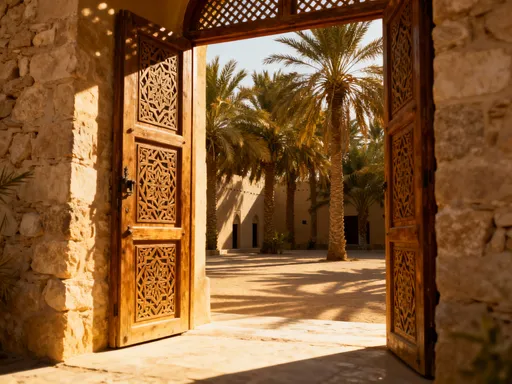
Taste of the Highlands: A Food Lover’s Journey Through Gondar
Nestled in Ethiopia’s rugged highlands, Gondar is more than ancient castles and mountain vistas—it’s a hidden kitchen of bold flavors and centuries-old traditions. I never expected to fall in love with a city through its food, but here, every bite tells a story. From smoky stews to spicy lentils, Gondar’s cuisine is as rich as its history. The air carries the scent of roasting coffee and simmering berbere, while homes and markets hum with the rhythm of grinding spices and fermenting injera. Let me take you where tourists rarely go—straight to the heart of Ethiopian home cooking, where warmth is served not just on plates, but in gestures, rituals, and shared moments around the mesob.
Discovering Gondar: Where History Meets the Plate
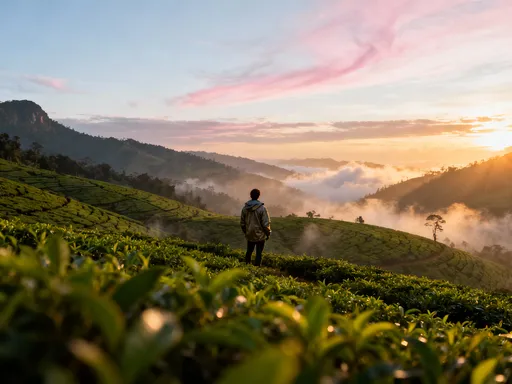
Gondar, once the imperial capital of Ethiopia, stands proudly at over 2,000 meters above sea level in the northern highlands. Known for its UNESCO-listed Fasil Ghebbi fortress complex—often called the “Camelot of Africa”—the city draws visitors with its regal past. Yet beyond the stone walls and turreted palaces lies a quieter, deeper heritage: the culinary traditions nurtured in family kitchens for generations. The city’s elevation shapes not only its crisp climate but also its agriculture and cooking methods. Cool temperatures favor the growth of teff, barley, and legumes, staples that form the backbone of Gondarine cuisine. The highland environment slows fermentation, deepens flavors, and encourages slow-cooking techniques essential to the region’s most beloved dishes.
Gondar’s royal legacy introduced a refined layer to local food culture. During the 17th and 18th centuries, the imperial court attracted artisans, scholars, and cooks from across the empire, creating a culinary crossroads. Influences from Tigray, Gojjam, and even Yemen filtered into Gondar’s kitchens, blending with indigenous practices. Unlike the more cosmopolitan menus of Addis Ababa, Gondar’s food remains rooted in tradition, emphasizing preservation, fermentation, and spice mastery. While many travelers come to photograph the castles, those who linger long enough to share a meal discover that Gondar’s true grandeur lies not in stone, but in the warmth of its hearths and the depth of its stews.
What sets Gondar apart is how its history is not confined to museums, but lives in daily rituals. The same clay ovens used to bake injera today were likely used by royal cooks centuries ago. The spice blends passed down through families echo the aromas that once filled palace kitchens. To taste Gondar’s food is to experience continuity—a living thread connecting past and present through taste, texture, and tradition. It’s a city where history doesn’t just stand still; it simmers, steams, and serves.
Injera and Beyond: The Foundation of Gondar’s Cuisine
No exploration of Gondar’s food culture can begin without injera, the spongy, sourdough flatbread that serves as both plate and utensil. Made from teff—a tiny, iron-rich grain native to the Ethiopian highlands—Gondar’s injera is distinguished by its deeper fermentation and slightly denser texture compared to versions found in other regions. Families often maintain their own sourdough starters, some passed down for decades, giving each household’s injera a unique character. The fermentation process, which can last up to three days, develops a tangy complexity that balances the heat of spiced stews served atop it.
The true soul of Gondar’s cuisine, however, lies in its spice blends and cooking fats. Berbere, a fiery mixture of chili peppers, garlic, ginger, fenugreek, and up to a dozen other spices, is the heartbeat of most savory dishes. Each family guards their own recipe, adjusting the heat and depth to personal taste. Equally essential is niter kibbeh, a spiced clarified butter infused with herbs like basil, turmeric, and korarima. This golden fat is used to sauté onions, enrich stews, and deepen flavor profiles, lending a richness that defines royal and home cooking alike.
Preparation methods in Gondar emphasize patience and care. Stews are often slow-cooked for hours over low heat, allowing spices to meld and meats to tenderize. Fermentation is not just for injera; it’s also used in kinchew, a porridge made from fermented barley, and in some versions of shiro. These techniques, honed over centuries, reflect a deep understanding of preservation and flavor development in a region without modern refrigeration. The result is food that is not only nourishing but layered with history, crafted with intention, and shared with pride.
Must-Try Dishes: A Taste of Gondar’s Soul
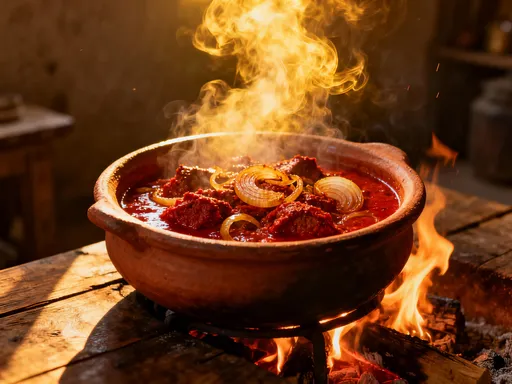
For visitors, the journey into Gondar’s food culture begins with its most iconic dishes. Doro wat, the national stew of Ethiopia, reaches a peak of flavor in Gondar. This slow-cooked chicken stew, simmered in berbere and niter kibbeh, is often enriched with hard-boiled eggs and served during special occasions. What makes Gondar’s version distinct is its balance—less greasy than Addis versions, with a more pronounced sour note from longer onion caramelization. It’s traditionally eaten during religious festivals like Ethiopian Christmas or Easter, symbolizing celebration and hospitality.
Misir wat, a deep red lentil stew, is another staple that showcases the region’s mastery of spice. Cooked with onions, garlic, and generous amounts of berbere, it offers a hearty, protein-rich option especially popular during fasting periods observed by the Ethiopian Orthodox Church. In Gondar, misir wat is often served with a side of fresh cottage cheese or yogurt, which cools the palate and complements the heat. The dish is a testament to the ingenuity of Ethiopian fasting cuisine, where plant-based meals are neither bland nor simple, but deeply satisfying.
Shiro, a ground legume stew made from chickpeas or broad beans, is a daily comfort food in Gondar households. Unlike the smoother versions found elsewhere, Gondar’s shiro has a slightly coarse texture, giving it a rustic mouthfeel. It’s typically cooked with garlic, onions, and a touch of turmeric, resulting in a golden-brown stew with earthy warmth. Served with injera or barley bread, it’s a meal that sustains through long highland winters. Seasonal variations include gomen wat (collard greens stewed with spices) and tikil gomen (cabbage and carrots), often paired with lentils or shiro for a complete platter.
During fasting seasons, which occur nearly half the year in the Ethiopian Orthodox calendar, Gondar’s kitchens transform. Entirely plant-based menus emerge, featuring dishes like kik alicha (mild yellow split peas), fasting breads, and spiced vegetable mixes. These meals are not afterthoughts but carefully crafted expressions of devotion and culinary artistry. To eat during a fast in Gondar is to experience the depth of Ethiopian vegetarian cuisine—flavorful, diverse, and deeply rooted in spiritual practice.
Where to Eat: From Home Kitchens to Hidden Eateries
While Gondar has a growing number of restaurants catering to tourists, the most authentic experiences happen off the beaten path. The city’s best meals are often found not on menus, but in homes. Local families, especially in neighborhoods like Qwesqwam or near the market district, sometimes welcome visitors through community-led food tours or homestay programs. These gatherings offer a rare glimpse into domestic life, where cooking is a communal act and eating is a shared ritual. Sitting around a mesob—a handwoven basket table—guests are invited to tear injera and scoop stews with their right hand, an intimate act that fosters connection.
For those seeking modest but authentic eateries, several family-run spots in the city center serve traditional Gondarine fare. Near Debre Berhan Selassie Church, small restaurants offer daily specials like doro wat or shiro, cooked fresh each morning. These places lack polished decor but make up for it in flavor and warmth. Meals are often served on shared platters, encouraging conversation and generosity. One popular spot, known locally for its spiced lentils and homemade injera, operates out of a converted home and is frequented by teachers, clerks, and elders—a sign of its authenticity.
Coffee ceremonies are another gateway to Gondar’s food culture. More than just a drink, these rituals often include light snacks like roasted barley (kolo), popcorn, or honey bread. Hosts roast green coffee beans over a small stove, grind them by hand, and brew three rounds in a jebena (clay pot). The first round, abol, is the strongest; the second, tona, is milder; the third, baraka, is a blessing. These gatherings can last over an hour, offering time for storytelling, news-sharing, and quiet reflection. For travelers, participating is not just polite—it’s essential to understanding the rhythm of daily life in Gondar.
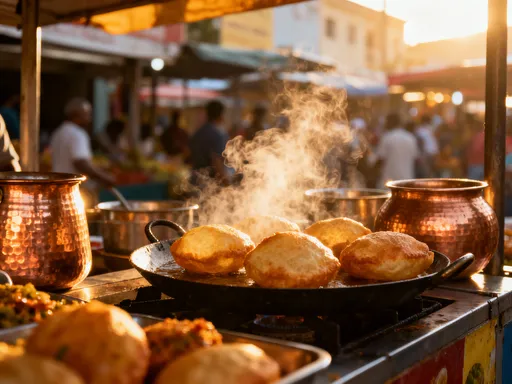
Supporting local vendors is both a cultural and ethical choice. Markets like the main Gondar Mercato offer fresh spices, injera, and home-cooked dishes sold by women in traditional habesha kemis (Ethiopian dresses). Buying directly from these vendors ensures income stays within the community and allows travelers to taste food prepared with generational knowledge. It’s a form of tourism that honors tradition, fosters dignity, and deepens connection.
The Coffee Culture: More Than Just a Drink
Ethiopia is the birthplace of coffee, and Gondar plays a vital role in its cultural legacy. Coffee is not merely a beverage here—it’s a social institution, a daily ritual, and a symbol of hospitality. The traditional ceremony begins with green beans spread on a metal tray, roasted over charcoal until fragrant and crackling. The host, usually a woman, then grinds the beans with a wooden mortar and pestle, filling the room with an intoxicating aroma. The grounds are brewed in a jebena, a bulbous clay pot with a long spout, and served in small cups without handles.
The three rounds of coffee—abol, tona, and baraka—each carry meaning. The first is bold and energizing, the second smoother, and the third a blessing that seals the gathering. It is considered impolite to leave before the third round, as doing so may suggest disrespect. The ceremony is often accompanied by incense, such as frankincense or myrrh, which purifies the space and enhances the sensory experience. Guests sit on low stools or mats, engaging in conversation that ranges from family news to community matters.
Coffee time is also an informal dining occasion. Hosts typically serve small bites like kolo (roasted grains), popcorn, or dried fruits. In wealthier homes, honey bread or buttered injera may be offered. These snacks are not mere additions but integral to the experience, balancing the bitterness of the coffee and extending the gathering. For visitors, participating in a coffee ceremony is one of the most meaningful ways to connect with Gondar’s people. It’s a moment of pause in a fast-moving world, a reminder that some of life’s richest flavors come not from taste alone, but from presence and patience.
The ritual transcends class and setting. It’s performed in homes, shops, and even government offices. In rural villages outside Gondar, the ceremony may last longer, with songs or proverbs shared between rounds. Younger generations are learning to uphold the tradition, even as urban life accelerates. For many, it’s a way of preserving identity in a changing world. To drink coffee in Gondar is to partake in a legacy that spans centuries—a simple act, deeply sacred.
Cooking Traditions: How Food Is Made and Shared
The heart of Gondar’s food culture beats in its kitchens, where traditional tools and methods remain central. The mitad, a large circular griddle made of clay or metal, is used to bake injera over an open flame. Women often stand for hours, pouring batter in a spiral motion, a skill perfected over years. Clay pots, known for their even heat distribution, are used for slow-cooking stews, while wooden spoons and woven baskets complete the toolkit. These implements, passed down through families, are not just functional—they are heirlooms.
Meals in Gondar are inherently communal. Dishes are arranged on a large injera-covered platter, from which everyone eats using their right hand. This practice, known as gursha, sometimes includes the gesture of feeding another person as a sign of affection or respect. Eating together reinforces family bonds and social harmony. Even in modest homes, guests are always offered food, often the best the household has—chicken, honey wine, or fresh butter. Refusing is seen as a slight, so visitors are encouraged to accept with gratitude.
While women have traditionally been the primary cooks, the role is evolving. Younger women, many educated in cities, are returning to Gondar with new perspectives, blending modern efficiency with ancestral recipes. Some run small catering businesses or food stalls, adapting traditional dishes for contemporary tastes. Men, too, are increasingly involved, especially in coffee preparation and festival cooking. The focus remains not on rigid roles, but on continuity—ensuring that knowledge is preserved, even as lifestyles change.
Intergenerational learning happens informally. Children watch their mothers and grandmothers grind spices, stir stews, and recite blessings over meals. There are no written recipes—flavors are remembered, adjusted by taste, and perfected through repetition. This oral tradition keeps the cuisine alive, even as global influences grow. In a world of fast food and instant meals, Gondar’s approach is a quiet resistance—a commitment to slowness, care, and connection.
Bringing Gondar Home: Tips for Food-Curious Travelers
For travelers eager to carry a piece of Gondar’s culinary spirit home, the journey begins with respect. Approach food not as a novelty, but as a window into culture. When invited to a meal, accept with both hands and a smile. Eat with your right hand, tear injera gently, and follow your host’s lead. Avoid rushing—meals are meant to be savored, not finished quickly. A simple phrase like “Delicious” (in Amharic, “Tena yastesegn”) or “Thank you for the meal” (“Amarakech new”) goes a long way in building connection.
To support the local economy, buy spices, coffee, and handmade crafts directly from markets. Small bags of berbere or whole teff grain make meaningful souvenirs. If possible, attend a cooking demonstration or food tour led by local women’s cooperatives—these initiatives empower communities and preserve traditions. Avoid restaurants that serve “internationalized” versions of Ethiopian food; instead, seek out places where locals eat, where the menu changes daily, and where the cook greets you by name.
Back home, you can recreate Gondar’s flavors with care. Start with basic dishes like misir wat or shiro, using authentic ingredients sourced from Ethiopian or Eritrean grocery stores. Ferment your own injera starter or purchase it online from specialty suppliers. Simmer stews slowly, allowing spices to bloom in niter kibbeh. Even if the taste isn’t identical, the act of cooking becomes a tribute—a way to honor the people and places that inspired you.
Ultimately, Gondar is more than a destination—it’s a sensory journey. Its food tells stories of resilience, faith, and generosity. It invites you to slow down, to share, to listen. In a world that often feels disconnected, Gondar’s kitchen offers a table where everyone has a place. So come not just to see the castles, but to taste the culture, to drink the coffee, to break bread with strangers who become friends. Let the highlands feed not only your body but your spirit—one meal at a time.