Flavors of Punta del Este: A Deep Dive into Uruguay’s Coastal Culinary Soul
Punta del Este isn’t just about beaches and luxury yachts—its food scene is quietly extraordinary. As I wandered through local markets and seaside parillas, I discovered a side of Uruguay few tourists talk about: rich, slow-cooked traditions meeting fresh coastal flavors. From wood-fired steaks to empanadas stuffed with spiced beef, every bite tells a story. This is more than dining—it’s cultural immersion on a plate. The rhythm of life here pulses strongest around the grill, the market stall, and the shared table. While postcard views of white sands and designer boutiques draw the crowds, the true soul of this coastal gem reveals itself in its kitchens, docks, and neighborhood eateries. To taste Punta del Este is to understand its people, their values, and their deep-rooted connection to land and sea.
Arrival in Punta del Este: First Impressions Beyond the Glamour
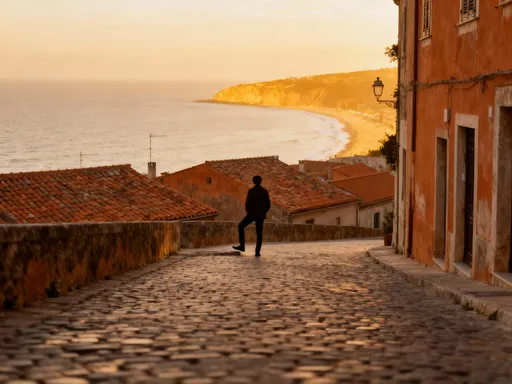
Stepping off the bus or rental car into Punta del Este, one is immediately struck by its polished exterior—gleaming high-rises line the coastline, luxury boutiques dot Avenida Gorlero, and yachts bob gently in the marina. It’s easy to assume this resort town caters only to the affluent, offering little beyond sunbathing and shopping. Yet beneath this veneer of glamour lies a quieter, more enduring rhythm: the daily life of local families, fishermen, and home cooks who define the city’s authentic character. The real essence of Punta del Este doesn’t reside in five-star hotels but in the neighborhood plazas where grandmothers sell homemade empanadas and fishermen unload their morning catch at small coastal kiosks.
This duality shapes the traveler’s experience. Those who stay confined to tourist zones may enjoy comfort and convenience, but they miss the heartbeat of Uruguayan coastal culture. Venturing beyond the postcard-perfect avenues into barrios like Barrio Este, La Barra, or even nearby Pinares reveals a different pace—one where meals are long, conversations linger, and food is treated as both art and ritual. It’s in these unassuming corners that culinary traditions are preserved, passed down through generations with care and pride. Understanding this contrast is the first step toward meaningful exploration.
The city’s identity as both playground and home creates a unique culinary landscape. Upscale restaurants coexist with humble fondas, offering everything from molecular gastronomy to slow-cooked stews simmered in cast-iron pots. What ties them together is a shared respect for quality ingredients, regional sourcing, and time-honored preparation. Whether enjoyed on a linen-draped table or a plastic stool by the roadside, meals in Punta del Este reflect a national value: that gathering around food is not merely sustenance, but a sacred act of connection. For the curious traveler, this means the most rewarding experiences often lie just off the beaten path.
The Heart of Uruguayan Cuisine: Understanding the Asado Tradition
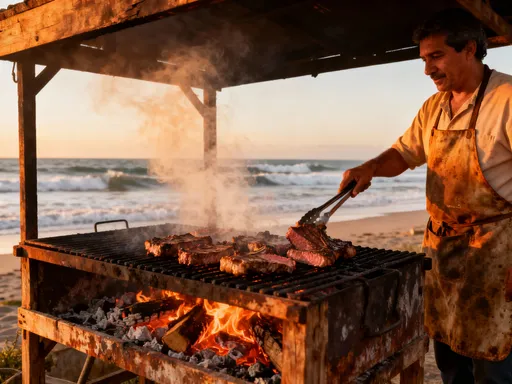
No exploration of Uruguayan food is complete without understanding the asado—an institution that transcends mere cooking to become a cornerstone of social life. More than a barbecue, the asado is a ritual, a weekly gathering that brings families, friends, and neighbors together around fire and meat. In Punta del Este, this tradition remains deeply embedded in daily life, even amid the modern bustle of summer tourism. On weekends, the scent of smoldering wood and charred beef drifts through backyards and parks, signaling that another asado is underway. It’s not uncommon to see men—often called the asador—tending the fire with almost meditative focus, turning cuts of meat with long-handled forks while others sip wine and share stories nearby.
Uruguay’s reputation for high-quality beef is well earned. The country’s vast grasslands, known as the pampas, provide ideal grazing conditions, resulting in tender, flavorful meat that forms the centerpiece of the asado. In Punta del Este, many families source their beef from nearby ranches in Maldonado or Rocha, ensuring freshness and supporting local agriculture. Common cuts include entraña (skirt steak), vacío (flank steak), and achuras (offal such as kidneys and sweetbreads), each cooked slowly over wood or charcoal. The preferred wood—usually quebracho or eucalyptus—imparts a distinctive aroma that enhances the natural taste of the meat.
Accompanying the meat are simple yet essential sides: chimichurri, a vibrant sauce made from parsley, garlic, vinegar, and oil; ensalada criolla, a crisp mix of tomatoes, onions, and bell peppers dressed in vinaigrette; and sometimes grilled provoleta, a thick slice of melted provolone cheese. Bread is always present, used to soak up juices and balance the richness of the meat. What makes the asado truly special, however, is not just the food, but the time it demands. Meals can last four hours or more, unfolding in stages as different cuts are served. This unhurried pace fosters deep conversation, laughter, and a sense of belonging—a reminder that in Uruguay, food is not rushed, but cherished.
Seafood with a Twist: Coastal Flavors from the Río de la Plata
While beef dominates the national palate, Punta del Este’s location at the convergence of the Atlantic Ocean and the Río de la Plata introduces a rich array of seafood into its culinary repertoire. The cold, nutrient-rich waters support diverse marine life, making fresh fish and shellfish a staple in coastal homes and restaurants alike. Unlike inland regions where meat reigns supreme, here the sea plays an equal role on the plate. Dishes like brochetas de pescado—skewers of locally caught corvina or striped bass grilled over open flames—showcase the simplicity and purity of coastal cooking. Lightly seasoned with salt, garlic, and lemon, the fish retains its delicate texture, allowing the ocean’s natural flavor to shine.
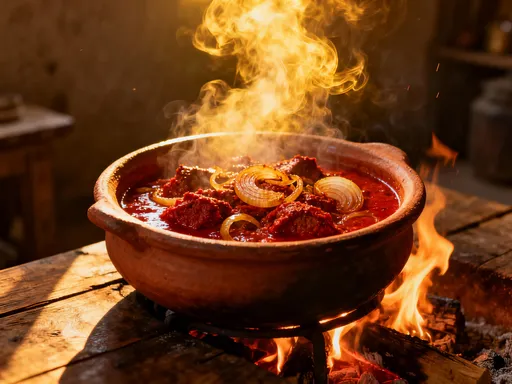
Another specialty unique to this region is mojama, a traditional preparation of salt-cured tuna loin, similar to Italian bottarga. Once a preservation method for long fishing trips, mojama has evolved into a delicacy, often served thinly sliced with olive oil and crusty bread. Its intense umami flavor pairs beautifully with Uruguay’s crisp white wines. Equally beloved is sopa de mariscos, a hearty seafood stew simmered with onions, tomatoes, potatoes, and a splash of white wine. Prepared in large pots for family gatherings, this dish warms both body and spirit on cooler evenings, especially during the shoulder seasons when the coast sees fewer visitors.
Sustainable fishing practices are increasingly emphasized by local fishermen and regulators alike. Many small-scale operations follow seasonal quotas and use selective gear to protect marine ecosystems. Travelers can witness this firsthand at dockside vendors near Playa Brava or the port of Punta del Este, where fishermen sell their catch directly to passersby. Buying fish straight from the boat ensures peak freshness and supports the local economy. Some restaurants even partner with these fishermen, listing the names of the boats on their menus—a transparent nod to traceability and quality. This connection between sea and table reinforces a broader cultural value: respect for nature and tradition.
Hidden Eateries: Finding Authenticity Off the Tourist Path
For travelers seeking genuine culinary experiences, the key lies in stepping away from the main avenues and exploring Punta del Este’s residential neighborhoods. While upscale restaurants along the waterfront offer polished service and scenic views, they often cater to international tastes and come with premium prices. True authenticity thrives in smaller, family-run establishments—fondas, neighborhood parrillas, and unmarked street stalls—where locals gather for hearty, affordable meals. These hidden gems may lack digital footprints or Instagrammable interiors, but they deliver unmatched flavor and warmth.
In Barrio Este, for example, a modest parrilla with plastic chairs and a chalkboard menu serves some of the best choripán in the region—a grilled chorizo sandwich topped with chimichurri and served on a crusty roll. The owner, a third-generation cook, grills the sausages over wood every morning, using a recipe passed down from his grandfather. Nearby, in La Barra, a tucked-away fonda run by a mother-daughter team offers daily specials like guiso de pescado (fish stew) and tarta de acelga (Swiss chard pie), prepared with ingredients from their garden. These meals are not performances for tourists; they are expressions of home cooking, offered with quiet pride.
Identifying trustworthy, hygienic, and culturally rich spots requires a few practical tips. First, look for places filled with locals, especially during lunchtime. Long lines or limited seating often indicate popularity among residents. Second, observe cleanliness—while decor may be simple, clean surfaces and covered food are signs of care. Third, embrace modest pricing; if a meal seems too good to be true, it might not reflect traditional preparation. Finally, don’t hesitate to ask for recommendations from hotel staff, taxi drivers, or market vendors—many are happy to guide visitors to their favorite neighborhood haunts. These interactions, though brief, often lead to the most memorable meals.
Markets and Street Food: The Pulse of Everyday Flavor
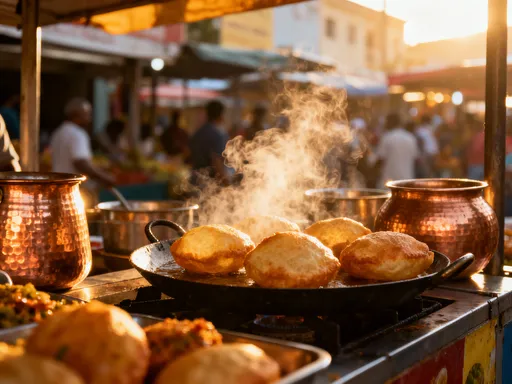
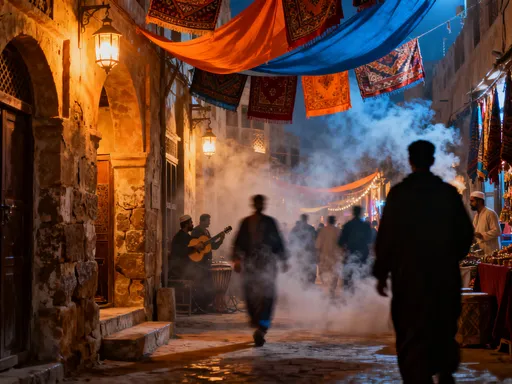
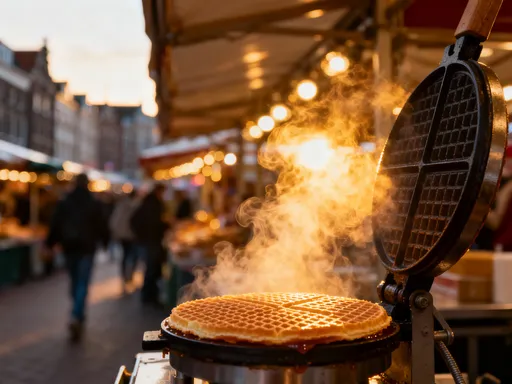
No culinary journey is complete without a visit to the city’s markets, where food culture comes alive in full sensory detail. The Mercado del Puerto, though originally from Montevideo, has inspired similar gatherings in Punta del Este, especially during peak season. Weekend markets pop up in plazas and parking lots, transforming into bustling hubs of flavor and community. Here, vendors grill meat over open flames, flip empanadas in hot oil, and stir large pots of locro—a traditional corn and meat stew. The air hums with the sizzle of grills, the sweet scent of caramelizing dulce de leche, and the rhythmic calls of vendors offering samples.
Empanadas are a highlight, with each vendor boasting a signature filling. Beef seasoned with cumin and paprika remains the most popular, but variations with ham and cheese, spinach and ricotta, or even seafood reflect regional creativity. Churros, dusted with sugar and sometimes filled with warm dulce de leche, are a favorite treat for children and adults alike. Roasted corn, known as choclo, is served on the cob with a sprinkle of salt and a squeeze of lime, its smoky sweetness a perfect complement to grilled meats. These street foods are more than quick bites—they are edible links to history, shaped by indigenous, Spanish, and Italian influences.
What makes these markets special is their role as social spaces. Families stroll together, couples share a portion of fries, and friends gather around picnic tables with bottles of wine. Unlike fast-food culture, street food here is part of a leisurely day out, integrated into the rhythm of life. Vendors often know their regulars by name, exchanging jokes and updates as they serve. This sense of familiarity and continuity strengthens community bonds and preserves culinary heritage. For visitors, participating in this culture—tasting, chatting, observing—offers a deeper understanding of what it means to eat like a local.
Wine, Mate, and More: The Drinks That Complete the Meal
In Uruguay, no meal is truly complete without the right drink. While wine has gained international recognition in recent years, traditional beverages remain central to daily life. Mate, a bitter herbal infusion made from yerba mate leaves, is more than a drink—it’s a symbol of hospitality and connection. Often shared among friends and family using a single gourd and metal straw, the ritual of passing the mate around a circle fosters intimacy and conversation. In Punta del Este, it’s common to see people sipping mate on the beach, in parks, or during morning walks, a quiet testament to its enduring presence in Uruguayan culture.
Uruguay’s wine industry, though smaller than Argentina’s or Chile’s, has earned acclaim for its bold tannat reds. Originally a French varietal, tannat thrives in Uruguay’s climate, producing full-bodied wines with deep color and structured tannins. Nearby regions like Canelones and the slopes of Maldonado are home to boutique vineyards that welcome visitors for tastings and tours. Many of these estates emphasize sustainable farming and small-batch production, offering an intimate alternative to large commercial wineries. A visit to one of these vineyards allows travelers to taste the terroir—literally, the taste of the land—while enjoying panoramic views of rolling hills and vine rows.
Another beloved beverage is medio y medio, a refreshing blend of sparkling white wine and dry vermouth, often served in tall glasses with a twist of lemon. Originating in Uruguay, this drink is particularly popular in coastal areas, where its light effervescence complements seafood dishes. Served chilled at outdoor cafes and beachside kiosks, it embodies the relaxed elegance of Punta del Este’s lifestyle. Whether enjoying a glass at sunset or sipping mate under a shade tree, the act of drinking here is never hurried. It’s an invitation to pause, to connect, and to savor the moment—one sip at a time.
From Plate to Perspective: How Food Transforms Travel
Ultimately, dining in Punta del Este is about more than satisfying hunger—it’s a pathway to understanding. When travelers choose to eat like locals, they open themselves to deeper connections, unexpected conversations, and lasting memories. Sharing an asado with a family, bargaining for empanadas at a market, or learning to prepare mate from a neighbor—these experiences transcend tourism. They foster empathy, curiosity, and a genuine appreciation for a culture’s values and rhythms. Food becomes a bridge, not just between people, but between worlds.
Engaging with local cuisine also challenges assumptions. The glamorous image of Punta del Este as a playground for the wealthy gives way to a more nuanced reality—one where tradition, simplicity, and community take center stage. The slow-cooked stew, the hand-folded empanada, the shared bottle of tannat—these are expressions of identity, resilience, and pride. To taste them is to see the city through new eyes, to move beyond surface-level impressions and touch something real.
For 30- to 55-year-old travelers, many of whom seek meaningful, enriching experiences over checklist tourism, this kind of culinary immersion offers profound rewards. It’s not about collecting photos or ticking off attractions, but about gathering moments—flavors, laughter, stories—that stay long after the trip ends. By prioritizing meals as experiences rather than conveniences, travelers gain access to the soul of a place. In Punta del Este, that soul is seasoned with wood smoke, sea salt, and the warmth of shared tables. It’s a reminder that the most intimate way to know a destination is not through its sights, but through its food.