Lost in the Lanes of Fes: A Slow Traveler’s Rhythm
Imagine wandering through a maze where time slows—ancient gates whisper stories, spice-scented alleys unfold like secrets, and artisans shape copper the way their fathers did. Fes isn’t just visited; it’s felt. I didn’t rush here. I lingered, sipped mint tea with strangers, and let the medina guide me. This is slow travel at its soulful best—raw, real, and deeply human. In a world that celebrates speed, Fes offers a rare invitation: to move with intention, to listen more than you speak, and to discover a culture not through highlights, but through rhythm. For women who carry the quiet strength of home and family, this kind of journey speaks to the heart—a reminder that presence, not perfection, is where meaning blooms.
The Heartbeat of Fes: Why Slow Travel Fits Perfectly
Fes, nestled in Morocco’s mountainous interior, pulses with a tempo unlike any other city in North Africa. At its core lies Fes el-Bali, the world’s largest continuously inhabited car-free urban medina and a UNESCO World Heritage Site since 1981. This is not a museum frozen in time, but a living, breathing city where over 150,000 people go about their daily lives in a 9th-century urban fabric. The absence of vehicles creates a soundscape of footsteps, soft conversations, and the occasional bray of a donkey—sensory cues that immediately signal a different way of moving through space. For travelers, especially those accustomed to checking off landmarks, Fes demands a shift: from efficiency to immersion, from sightseeing to seeing deeply.
What makes Fes uniquely suited to slow travel is its density of cultural expression. Within just over 500 acres, the medina houses more than 400 historic monuments, hundreds of artisan workshops, and a network of souks that specialize in everything from hand-dyed wool to hand-forged knives. Each alley tells a story—not through plaques or audio guides, but through practice. A cobbler taps rhythmically on leather. A spice vendor arranges saffron and paprika in colorful pyramids. A baker pulls steaming rounds of khobz from a clay oven. These moments are not staged for tourists; they are the fabric of everyday life. To witness them fully, one must slow down, observe, and allow space for spontaneous connection.
Urban planners and anthropologists alike have noted how the medina’s design naturally encourages slowness. Its narrow, winding streets—some so tight that only one person can pass at a time—are not meant for haste. They were built for community, not convenience. Doorways open onto shared courtyards, fountains serve entire blocks, and shops often double as homes. This intimacy fosters a kind of travel that is relational rather than transactional. When you pause to ask directions, you might be invited for tea. When you admire a piece of embroidery, the artisan might share its symbolism. These interactions, small as they seem, build a deeper understanding of Moroccan values: hospitality, craftsmanship, and respect for tradition.
For the thoughtful traveler, particularly women who value meaningful experiences over checklist tourism, Fes offers a rare kind of nourishment. It invites you to reconnect with your senses—to feel the cool stone walls in the morning shade, to smell the mingled scents of cedar oil and grilled meat, to hear the call to prayer echo through ancient alleys. This sensory richness is not accidental; it is the result of centuries of intentional living. By embracing a slower pace, visitors don’t just see Fes—they begin to feel its rhythm, and in doing so, find a quiet resonance within themselves.
Stepping Into the Medina: First Impressions and Navigation Tips
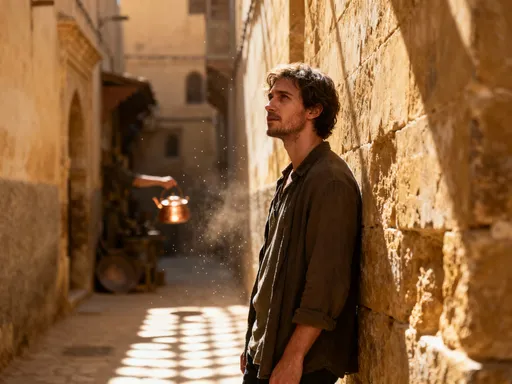
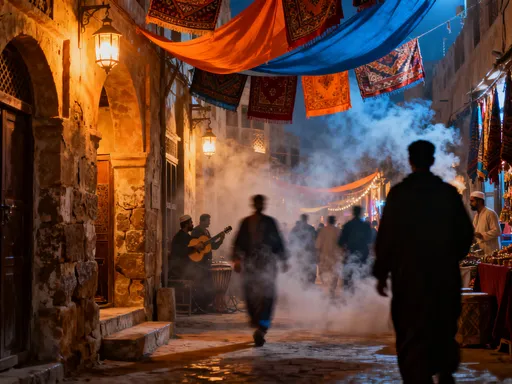
Entering Fes el-Bali through Bab Bou Jeloud, the iconic blue-tiled gate, is like crossing a threshold into another world. The transition is immediate: the wider, modern streets of Ville Nouvelle give way to a labyrinth of covered passageways, uneven cobblestones, and buildings that lean toward each other as if sharing secrets. The air changes—warmer, spicier, alive with the scent of cumin, mint, and damp earth. Sounds layer upon one another: the clatter of wooden carts, the hum of bartering in Arabic and Tamazight, the occasional ring of a bicycle bell. For first-time visitors, the sensory overload can be overwhelming, even disorienting. But this is where the journey begins—not with control, but with surrender.
Navigation in the medina is less about maps and more about memory and landmarks. GPS rarely works reliably due to the high walls and narrow alleys, so travelers must rely on old-fashioned wayfinding. Key monuments serve as anchors: the Bou Inania Madrasa with its intricate zellij tilework, the Al-Qarawiyyin Mosque and University—founded in 859 and considered the oldest continuously operating university in the world—and the Chouara Tannery, where leather is still dyed using centuries-old methods. Locals often give directions in relation to these sites: “Go past the fountain, turn left after the spice shop, and you’ll see the minaret.” Learning a few basic Arabic phrases—such as salaam alaikum (peace be upon you) and shukran (thank you)—goes a long way in building goodwill.
Comfortable footwear is non-negotiable. The cobblestones are uneven, often slick with moisture, and the walking is constant. Flat, closed-toe shoes with good grip are ideal. A small crossbody bag, worn in front, helps deter pickpockets and keeps your hands free. While the medina is generally safe, it’s wise to remain aware of your surroundings, especially in crowded areas. Women travelers should dress modestly—long sleeves and pants or skirts below the knee—as a sign of respect. This not only aligns with local customs but also helps you blend in, reducing unwanted attention.
One of the most important etiquette rules is to ask permission before photographing people. Many artisans are happy to pose if approached politely, sometimes in exchange for a small tip, but snapping photos without consent is considered disrespectful. Instead, take time to engage—ask about their work, compliment their skill, and let the moment unfold naturally. You’ll often find that the best photographs come after a conversation, when trust has been established. Similarly, avoid pointing with your finger; using an open hand is more polite. These small gestures of respect open doors—literally and figuratively—to deeper experiences.
Craftsmanship Alive: Hands-On Experiences in Traditional Workshops
Fes is often called the cultural and spiritual heart of Morocco, and nowhere is this more evident than in its artisan traditions. Unlike mass-produced souvenirs found in tourist hubs, the crafts of Fes are born of centuries-old knowledge, passed from master to apprentice in a lineage that stretches back generations. These are not demonstrations for show, but working ateliers where skill, patience, and precision are honored daily. For the slow traveler, participating in a hands-on workshop offers a profound connection to the city’s soul—one that lasts far beyond the trip itself.
One of the most iconic crafts is zellige tilework, the intricate mosaic art that adorns mosques, palaces, and riads. At workshops like those in the Nejjarine area, visitors can try their hand at cutting and arranging colored tiles into geometric patterns. The process is meditative: each piece must be chiseled by hand, then fitted precisely into the design. It’s humbling to realize that a single square meter of zellige can take weeks to complete. Yet, even a short session offers insight into the discipline and artistry required. Many women find this tactile work deeply satisfying—a reminder of the beauty that comes from patience and attention to detail.
Another immersive experience is Arabic calligraphy, a revered art form in Islamic culture. In small studios tucked within the medina, instructors guide participants through the basics of the script, explaining how each letter flows from right to left and how spacing and proportion affect the overall harmony. Using a traditional reed pen and ink, you might practice writing your name or a simple phrase like baraka (blessing). The act of writing slowly, deliberately, becomes a form of mindfulness—a quiet counterpoint to the bustle outside. For mothers and caregivers who often put others first, this moment of focused creation can feel like a gentle act of self-renewal.
Copper and brass work is another hallmark of Fes craftsmanship. In the souk Haddadine (the coppersmiths’ quarter), the rhythmic tapping of hammers echoes through the alleys. Master artisans, known as maâlems, shape pots, lanterns, and trays with tools that have changed little over centuries. Some workshops offer short sessions where visitors can try hammering a simple design under guidance. The physicality of the work—the weight of the mallet, the vibration of the metal—is surprisingly grounding. Many participants describe it as therapeutic, a way to channel energy into something tangible and beautiful.
To access these experiences, it’s best to book in advance through reputable cultural centers or riads that partner with local artisans. This ensures authenticity and fair compensation. Prices are typically modest—between $20 and $50 per session—reflecting the value of the experience rather than commercial markup. By participating, you’re not just making a souvenir; you’re supporting a living tradition and honoring the hands that keep it alive.
Flavors That Tell Stories: A Culinary Walk Through Fes
In Fes, food is more than sustenance—it is memory, identity, and love made edible. The city’s cuisine reflects its history as a crossroads of Berber, Arab, Andalusian, and Mediterranean influences. Dishes are slow-cooked, layered with spices, and meant to be shared. For the traveler, eating in Fes is not a pit stop between sights, but a central part of the journey—one that unfolds over hours, not minutes. It’s in the long, lazy meals that conversations deepen, laughter rises, and a sense of belonging begins to form.
One of the most celebrated dishes is pastilla, a savory-sweet pie that embodies the complexity of Moroccan flavors. Traditionally made with pigeon meat (though chicken is now common), it features layers of flaky warqa pastry, spiced filling, and a dusting of powdered sugar and cinnamon. The contrast of sweet and savory is startling at first, then deeply satisfying. Preparing pastilla is a labor of love, often reserved for special occasions, and tasting it in a family home or a traditional restaurant like Restaurant Dar Hatim offers a window into Moroccan hospitality. Many women travelers describe it as a revelation—not just in taste, but in the warmth of being welcomed as an honored guest.
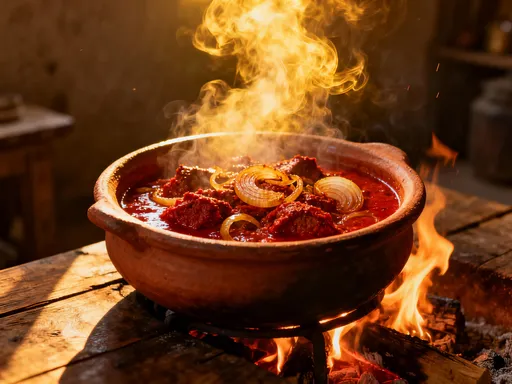
Equally iconic is the tagine, both the dish and the conical clay pot in which it’s cooked. In Fes, tagines often include preserved lemons, green olives, and slow-braised lamb or chicken. Eating one is a communal act—bread is used to scoop the tender meat and sauce, fingers becoming the most natural utensil. Some riads offer cooking classes where guests learn to prepare tagine from scratch, visiting the market to select ingredients before returning to the kitchen. These classes are especially meaningful for mothers who enjoy bringing new recipes home to share with their families.
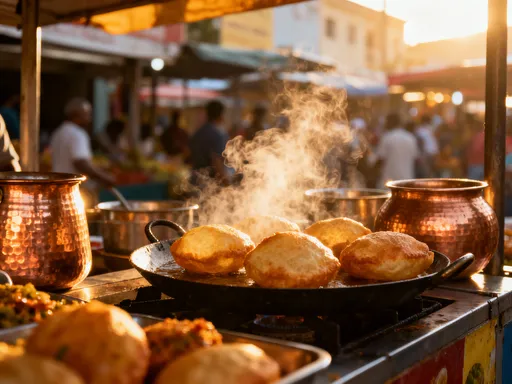
Street food in Fes is both delicious and accessible. Small stalls serve msemen (flaky, buttery flatbreads) with honey or cheese, harira soup (a hearty lentil and tomato broth often eaten during Ramadan), and freshly squeezed orange juice. The best way to explore is on foot, joining a food-focused walking tour led by a local guide. These tours not only introduce you to hidden gems but also explain the cultural significance of each dish. You might learn how saffron is graded, why figs are a symbol of abundance, or how mint tea is poured from a height to create foam—a gesture of generosity.
Hygiene is a natural concern, but most reputable food vendors maintain high standards. Look for stalls with high turnover, where food is cooked fresh to order. Bottled water is recommended, and hand sanitizer is useful before eating. Seasonal specialties add another layer of discovery: in spring, fresh herbs and artichokes appear; in autumn, figs and pomegranates dominate the markets. By eating with the rhythm of the city, you connect not just to its flavors, but to its calendar, its cycles, its life.
Gardens, Courtyards, and Quiet Corners: Finding Calm in the Chaos
Even the most seasoned traveler can feel overwhelmed by the intensity of the medina. The constant movement, the noise, the sensory richness—it’s exhilarating, but also exhausting. For women who carry the emotional labor of family and home, finding moments of stillness is not a luxury, but a necessity. Fes understands this instinctively, offering oases of calm where the soul can catch its breath.
The Jnan Sbil Gardens, located just outside the medina walls, are a haven of greenery and water. Originally created in the 18th century as a royal pleasure garden, they now welcome the public with shaded pathways, fountains, and blooming jasmine. Benches invite quiet reflection, and the sound of running water drowns out the city’s clamor. Visiting in the early morning or late afternoon offers the best light and fewer crowds. Many women describe sitting here with a notebook or simply closing their eyes, letting the peace seep in.
Another serene retreat is the Bou Jeloud Gardens, designed in the Andalusian style with geometric layouts, cypress trees, and reflecting pools. From its upper terraces, you can see the minaret of the Bou Inania Madrasa rising above the rooftops—a view that reminds you of the city’s timeless beauty. These gardens are not manicured in a European sense, but balanced in a way that feels intentional and harmonious. Water is central, symbolizing life and purity, while shade provides relief from the sun. The design reflects a philosophy of balance—between activity and rest, between human creation and nature—that resonates deeply with slow travel.
Within the medina, the courtyards of traditional riads offer another kind of sanctuary. These inward-facing homes are built around a central courtyard, often with a fountain, potted plants, and a skylight that lets in natural light. After a day of exploration, returning to a riad feels like coming home. Some offer rooftop terraces with views of the city, where you can sip tea as the call to prayer drifts through the air. For women traveling alone or with family, this private, peaceful space provides a sense of safety and comfort—a place to recharge, journal, or simply be.
These quiet spaces are not escapes from Fes, but essential parts of experiencing it fully. They allow you to integrate what you’ve seen and felt, to let the city settle into your bones. In a culture that values hospitality and inner grace, these moments of stillness are not passive—they are acts of presence, of honoring the journey within the journey.
Beyond the Old City: Connecting With Fes Jdid and Ville Nouvelle
While Fes el-Bali captures the imagination, the city’s story extends beyond the ancient medina. Fes Jdid (New Fes), founded in the 13th century, and Ville Nouvelle (New Town), developed during the French colonial period in the 20th century, offer complementary perspectives. Together, they form a layered portrait of a city that honors tradition while evolving with time.
Fes Jdid is home to the Mellah, the historic Jewish quarter, one of the oldest in Morocco. Though much of the Jewish population has emigrated, the area retains its distinctive architecture—narrow streets, shared staircases, and ornate doorways. The abandoned synagogue and kosher bakery stand as quiet reminders of a once-thriving community. Walking through the Mellah, you can feel the echoes of coexistence, a testament to Morocco’s long history of religious tolerance. The weekly market here offers fresh produce, herbs, and household goods, providing a glimpse into daily life away from tourist routes.
Nearby is the Royal Palace of Fes, known for its grand golden gates, though the palace itself is not open to the public. The gates, however, are a masterpiece of craftsmanship—covered in intricate zellige and carved cedar—worth pausing to admire. The surrounding area is peaceful, with wide sidewalks and shade trees, making it ideal for a leisurely stroll. Families often gather here in the evenings, children playing as elders chat on benches.
Ville Nouvelle, by contrast, feels distinctly modern. Wide boulevards, French-style cafés, and department stores reflect the colonial influence. But even here, Moroccan life thrives. The central post office, a colonial-era building with Art Deco details, remains in use. Cafés like Café Clock, known for its cultural events and camel burgers, attract both locals and visitors. This part of the city is also where you’ll find pharmacies, ATMs, and supermarkets—practical stops that make longer stays more comfortable.
Walking between these districts—through Bab Semmarine or along the Oued Fes riverbank—connects the dots of Fes’s history. You move from medieval alleys to 19th-century markets to 20th-century avenues, each layer adding depth to your understanding. Public transportation, including petit taxis and occasional buses, makes travel between zones easy, but walking remains the best way to absorb the transitions. Each neighborhood has its own rhythm, its own light, its own story.
How to Travel Fes Slowly: Practical Planning Without Overthinking
Planning a trip to Fes need not be complicated. The key is to embrace flexibility and intention. For a meaningful experience, four to five days is ideal—enough time to settle in, explore at a relaxed pace, and let the city reveal itself. Base yourself in the medina, preferably in a riad, where you’ll wake to the call to prayer and fall asleep to the hush of ancient streets. These traditional guesthouses, often family-run, offer warmth, authenticity, and a chance to connect with local hosts. Alternatively, accommodations near Bab Bou Jeloud provide easier access to Ville Nouvelle while still being close to the action.
Packing should be simple: lightweight, modest clothing; a reusable water bottle; comfortable shoes; and a small daybag. A scarf is useful for sun protection and modesty. Wi-Fi is widely available in riads and cafés, though speeds vary. Rather than trying to document every moment, consider limiting screen time to savor the present. Journaling, sketching, or simply observing can deepen your experience.
Budgeting in Fes is manageable. Meals at local restaurants cost $5–$15, riads range from $60–$150 per night, and workshops or guided walks average $20–$40. Tipping is appreciated but not excessive—small amounts for guides, servers, or porters are customary. The most valuable investment, however, is in responsible tourism: buy directly from artisans, avoid mass-produced souvenirs, and choose experiences that support local communities.
Most importantly, let go of the need to see everything. In Fes, getting lost is not a failure—it is the path to discovery. Turn down an alley because it smells of bread. Sit with a shopkeeper who offers tea. Let a child’s laughter draw you into a courtyard. These unplanned moments often become the most cherished. For women who spend so much of their lives caring for others, Fes offers a rare gift: the permission to wander, to wonder, to simply be. In its ancient lanes, you may just find a part of yourself you didn’t know was missing.