You Won’t Believe These Hidden Gems in Nizwa’s Ancient Architecture
Walking through Nizwa, I was blown away by how history lives in every stone. This isn’t just old buildings—it’s storytelling in mudbrick and fortress walls. The city’s architecture blends function, art, and culture in ways I never expected. From towering forts to intricate door carvings, each detail has purpose. If you're chasing authenticity, Nizwa delivers. Let me show you what makes its buildings not just beautiful, but deeply meaningful.
Discovering Nizwa: More Than Just a Desert Town
Nestled at the base of the Hajar Mountains in northern Oman, Nizwa has long stood as a beacon of culture, faith, and learning. Once the capital of the Omani Imamate and a central hub for trade and scholarship, this ancient city pulses with a quiet dignity that resonates through its streets and structures. Far from being a mere desert outpost, Nizwa has historically served as a crossroads where caravans converged, ideas flourished, and communities thrived. Its strategic location allowed it to become a center of religious education, drawing scholars and students alike to its renowned Islamic learning institutions. This intellectual legacy is still felt today, not only in the reverence for tradition but also in the way the city preserves its built heritage with care and pride.
The surrounding landscape—rolling arid hills, date palm oases, and rocky escarpments—has profoundly shaped Nizwa’s architectural identity. Builders here have long worked with what the land provides: limestone, coral stone, and rammed earth, all materials that blend seamlessly into the natural palette. Structures rise low and grounded, designed to withstand the region’s intense heat and seasonal flash floods. Thick walls retain coolness, while compact urban layouts minimize exposure to sun and wind. These are not aesthetic choices made in isolation—they are responses to climate, geography, and necessity, refined over centuries into a harmonious architectural language.
For travelers seeking meaningful experiences, Nizwa offers something increasingly rare: authenticity rooted in continuity. Unlike destinations where historic buildings have been hollowed out for tourism, Nizwa’s structures remain integrated into daily life. Families still inhabit centuries-old homes; farmers sell produce beneath shaded market arches; and children play in alleyways that have echoed with footsteps for generations. This living heritage invites visitors not just to observe, but to witness a culture that values preservation not as a museum project, but as a way of life. In choosing to explore Nizwa, one chooses to step into a narrative that is still being written.
Nizwa Fort: Where Engineering Meets Legacy
Rising like a sentinel above the city, Nizwa Fort is the crown jewel of Omani defensive architecture. Constructed in the 17th century under the rule of Imam Sultan bin Saif, the fort exemplifies a masterful fusion of military strategy, engineering ingenuity, and social organization. Its most striking feature—the massive circular tower, standing over 40 meters tall—was designed not only for dominance over the surrounding plains but also for acoustic surveillance. A single whisper at the base could be heard clearly at the top, allowing guards to detect approaching threats long before they reached the walls. This blend of practical function and architectural brilliance is evident throughout the structure, making it far more than a relic of conflict.
The fort’s layout reflects a deep understanding of both warfare and community life. Within its thick walls lie more than 130 rooms, including living quarters, storage chambers, prayer halls, and even a sophisticated ventilation system that kept air circulating in the sweltering summer months. Hidden trapdoors in the floors allowed defenders to pour boiling date syrup or hot sand on intruders—a grim but effective deterrent. Yet, the fort was also a center of governance and refuge. During times of unrest, villagers from surrounding areas would retreat inside, transforming the fortress into a temporary sanctuary where families, livestock, and food stores were protected.
One of the most impressive features is the underground water cistern, capable of holding over 1,000 cubic meters of water. Fed by an intricate falaj system—an ancient irrigation network still in use across Oman—this reservoir ensured survival during prolonged sieges. The preservation of such systems speaks to the foresight of Omani engineers who understood that water was as vital as weapons in securing a settlement’s future. Today, visitors can walk through dimly lit corridors, touch walls made of compacted earth and stone, and stand atop the tower where the panoramic view stretches across palm groves and distant mountains. It’s impossible not to feel the weight of history in such a place.
Thanks to meticulous restoration efforts by Oman’s Ministry of Heritage and Culture, the fort remains in exceptional condition without losing its authenticity. Modern interventions are subtle—lighting, signage, and safety rails—ensuring that the original fabric is respected. Guided tours, often led by knowledgeable local historians, bring the past to life with stories of imams, battles, and daily routines. For families visiting Nizwa, the fort offers an engaging way to introduce children to history through exploration and discovery. It’s not just a monument—it’s a lesson in resilience, innovation, and the enduring value of strategic thinking.
The Soul of the City: Old Stone Houses and Wind Towers
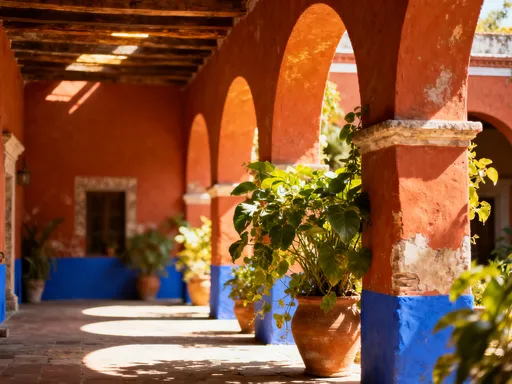
While the fort captures the imagination, the true soul of Nizwa lies in its traditional homes—modest yet elegant structures that have housed families for generations. Built from locally quarried stone and coral, these houses are designed with both beauty and practicality in mind. Their thick walls provide insulation against the desert heat, while compact layouts encourage close-knit family living. Many feature central courtyards, open to the sky, where date palms sway and clay water pots keep drinks cool. These private oases are more than architectural elements—they are spaces for gathering, reflection, and hospitality, reflecting the Omani value of welcoming others into one’s home.
One of the most fascinating features of these homes is the barjeel, or wind tower—a natural air conditioning system that predates modern HVAC by centuries. Positioned at the roofline, these towers catch prevailing breezes and funnel them down into living spaces, creating a cooling draft without electricity. The design is simple yet effective: openings on the windward side draw in air, while internal shafts direct it downward and across rooms before warm air escapes through opposite vents. In a region where summer temperatures regularly exceed 40°C (104°F), such innovations were not luxuries—they were essential for survival.
The layout of these homes also reflects social customs. Rooms are often arranged around the courtyard, with separate areas for men (majlis) and family use. The majlis, typically located near the entrance, is where guests are received and community matters discussed. Its elevated seating, shaded windows, and decorative niches create a dignified atmosphere conducive to conversation and respect. These architectural choices underscore the importance of privacy, hierarchy, and social harmony in Omani culture.
Remarkably, many of these homes remain occupied, their owners balancing modern life with deep respect for tradition. Solar panels may sit atop ancient roofs, and satellite dishes adorn weathered walls, yet the core design remains unchanged. This continuity is a testament to the sustainability embedded in traditional Omani architecture—long before the term became a global buzzword, these builders were creating energy-efficient, climate-responsive homes. For visitors, walking through the old neighborhoods offers a rare glimpse into a way of life that honors the past while embracing the present.
Craftsmanship in Wood and Metal: Doors That Tell Stories
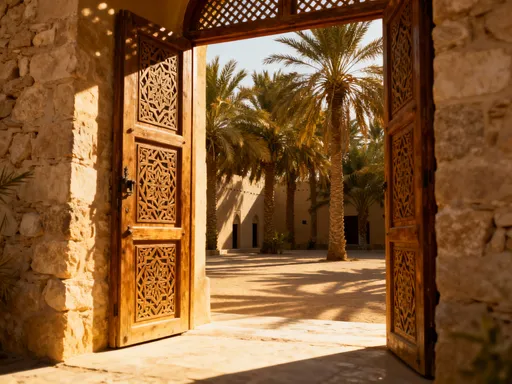
If the walls of Nizwa could speak, perhaps they would begin with the doors. Often the most ornate element of a traditional home, these hand-carved wooden entrances are masterpieces of artistry and symbolism. Crafted from dense Indian teak or local acacia, they are built to last, resisting warping and decay even in harsh conditions. But their purpose extends beyond durability—they are statements of identity, faith, and protection. Each door tells a story through its intricate patterns, which blend geometric precision with spiritual meaning.
Common motifs include interlocking stars, floral arabesques, and Kufic inscriptions from the Quran. The eight-pointed star, for instance, symbolizes balance and divine order, while verses invoking blessings or protection are carefully carved into the wood. Some doors feature metal studs arranged in patterns that resemble eyes—believed to ward off the evil eye. The craftsmanship required to produce these works is extraordinary: artisans spend weeks, sometimes months, chiseling each design by hand, using tools passed down through generations.
Today, this tradition is kept alive by a small but dedicated group of craftsmen in Nizwa and nearby villages. Visitors can observe their work in local souqs or specialized workshops, where the scent of sawdust and linseed oil fills the air. While photography is often welcome, it’s important to ask permission before entering private workspaces. Some artisans offer short demonstrations or sell smaller carved items like boxes or frames, providing a meaningful way to support this heritage. Purchasing directly from the maker ensures that skills continue to be valued and sustained.
For families interested in cultural immersion, a visit to a woodworking studio can be both educational and inspiring. Children can learn about symmetry and pattern in Islamic art, while adults appreciate the patience and precision required. These doors are not just functional—they are guardians of memory, connecting the present to centuries of artistic expression. In a world of mass production, they remind us of the beauty of the handmade and the enduring power of storytelling through design.
The Friday Market Area: Architecture That Serves Community Life
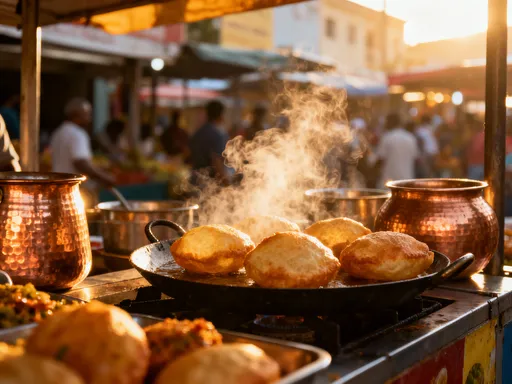
No visit to Nizwa is complete without experiencing the Friday market, a vibrant gathering that transforms the city’s outskirts into a bustling center of commerce and connection. While the market is famous for its livestock auction—where prized Omani goats and cattle are traded—the surrounding stalls offer a rich array of goods: handwoven baskets, silver jewelry, dates, honey, and traditional textiles. What often goes unnoticed, however, is how the architecture of the market area supports this social and economic life.
The covered walkways, low stone stalls, and shaded seating zones are not random arrangements—they are carefully planned to create comfort and flow. Arched roofs made of palm fronds and wooden beams provide relief from the sun, while narrow lanes encourage slow movement and interaction. Vendors arrange their wares at waist height, making browsing easy, while open spaces allow for crowd gathering during peak hours. The layout fosters a sense of intimacy and trust, essential in a culture where business is often built on personal relationships.
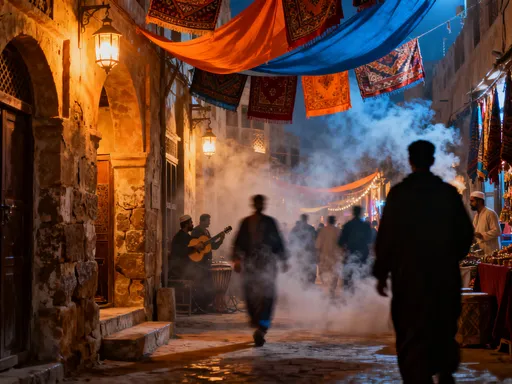
Sensory details bring the scene to life: the earthy scent of damp soil beneath the stalls, the tang of frankincense mingling with spice aromas, the rhythmic calls of traders negotiating prices. Echoes bounce off stone walls, creating a lively acoustic backdrop. Seating areas, often tucked beneath date palms or simple awnings, serve as informal meeting points where elders sip tea, exchange news, and offer advice. These spaces, though simple, are vital to the social fabric of the community.
The market’s design also reflects sustainability. Materials are locally sourced and biodegradable; waste is minimal; and the entire structure can be adapted or dismantled as needed. Unlike permanent shopping malls, this flexible architecture responds to the rhythm of weekly life. For visitors, the market is not just a place to shop—it’s a living example of how buildings and spaces can serve people, not just shelter them. Observing the flow of activity, one gains a deeper appreciation for how form follows function in traditional Omani design.
Hidden Courtyards and Quiet Alleys: Off-the-Beaten-Path Encounters
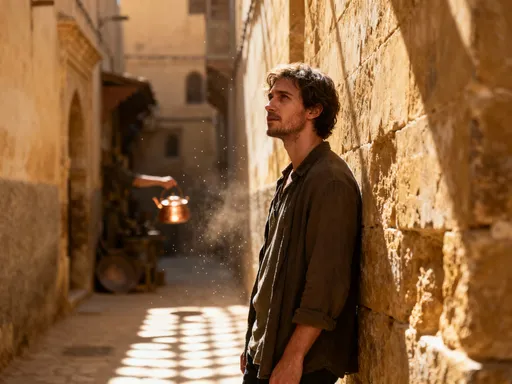
Beyond the fort and the market, Nizwa reveals its most intimate secrets in the quiet residential lanes that wind through its older quarters. Here, away from the main tourist paths, the city slows down. Ivy drapes over coral stone walls, pomegranate trees spill over low fences, and the occasional fountain trickles in a hidden courtyard. These are not curated attractions—they are lived-in spaces where generations have grown up, celebrated, and passed on traditions. To walk here is to witness the quiet poetry of everyday life.
Some alleys open unexpectedly into small plazas or green spaces, where children play under the watchful eyes of elders. Others lead to abandoned homes slowly being reclaimed by nature, their wooden doors ajar, revealing glimpses of inner courtyards where jasmine still blooms. These moments of serendipity are among the most rewarding for thoughtful travelers. Yet, with this privilege comes responsibility. These are private spaces, not exhibits. Respectful exploration means moving quietly, avoiding loud conversations, and never entering homes without explicit permission.
The best times to visit these areas are early in the morning or late in the afternoon, when the light is soft and families are less likely to be resting. Wearing modest clothing—long sleeves and trousers—helps blend in and shows cultural sensitivity. Carrying a small notebook or sketchpad can be a gentle way to engage with the surroundings without relying solely on photography, which can feel intrusive if not approached carefully.
For women travelers, especially those in the 30–55 age group who may be traveling with family or friends, these quieter zones offer a chance to connect with the rhythm of local life. A smile exchanged with a woman tending her garden, a nod to an elder sweeping his doorstep—these small gestures build bridges. The architecture here speaks of privacy and protection, but also of openness to respectful guests. In these hidden corners, one discovers that the heart of Nizwa is not in its monuments alone, but in the quiet dignity of its people and their homes.
Travel Tips for Experiencing Nizwa’s Architecture Like a Local
To truly appreciate Nizwa’s built environment, timing and preparation are key. The best light for viewing and photographing architecture is early morning, when the sun casts long shadows that highlight textures and carvings. By midday, the glare can wash out details, especially inside dimly lit rooms. Late afternoon offers a second golden window, when warm light bathes the stone facades and creates a serene atmosphere in the courtyards.
Footwear matters. The terrain is uneven—cobblestones, packed earth, and gravel paths can be slippery or tiring underfoot. Sturdy, closed-toe shoes with good grip are recommended, especially when exploring the fort or walking through the market. Women may prefer loose-fitting trousers or long skirts paired with comfortable flats that allow for ease of movement while maintaining modesty.
For photography, a camera with manual settings will help balance exposure in high-contrast interiors. Many rooms have dark corners and bright windows, so adjusting ISO and aperture can preserve detail. Always ask before photographing people, particularly women and children. A simple smile and gesture often suffice to request permission, and respecting a “no” is essential to maintaining trust.
Hiring a certified local guide enhances the experience immeasurably. These guides, often trained through Oman’s Ministry of Tourism, provide context that transforms buildings from static objects into living stories. They can explain the significance of a carving, the function of a room, or the history of a family home. Many speak fluent English and are eager to share their pride in Nizwa’s heritage. Group tours are available, but private guides offer a more personalized pace, ideal for families or those with specific interests.
Cultural etiquette is simple but important. Dressing modestly—covering shoulders and knees—is expected, especially when visiting religious sites or residential areas. Public displays of affection should be avoided. Greetings are warm but formal; a simple “Salaam alaikum” (peace be upon you) is always appreciated. When invited into a home, it’s customary to remove shoes before entering and to accept refreshments like tea or dates as a sign of hospitality.
Finally, plan your visit to include time for stillness. Sit in a shaded corner of the souq. Watch sunlight move across a courtyard wall. Listen to the call to prayer echo from a nearby mosque. These quiet moments allow the architecture to speak—not through words, but through presence. In Nizwa, beauty is not rushed. It is earned through patience, respect, and an open heart.
Conclusion
Nizwa’s buildings are not relics—they’re living parts of daily life. By appreciating their design, we connect not just to the past, but to a culture that values harmony, wisdom, and resilience. This is travel at its most rewarding.